Ibiza

🏝️ Ibiza – Complete Tourist Guide
The Island of Nightlife, Nature & Culture
🧭 Overview
Location: Balearic Islands, Mediterranean Sea, Spain
Population: ~150,000
Capital: Ibiza Town (Eivissa)
Languages: Spanish and Catalan (Ibizan dialect), English is widely spoken
Currency: Euro (€)
Time Zone: CET (UTC +1)
Climate: Mediterranean – hot summers, mild winters
Best Time to Visit: May to October for the best beach and nightlife experiences
Known For: World-renowned nightlife, beautiful beaches, UNESCO-listed Dalt Vila, and bohemian villages
✈️ Getting There and Around
Airport
Ibiza Airport (IBZ) – International airport with flights across Europe and beyond
Transportation
Buses connect major towns and beaches
Car and scooter rentals are popular for flexible island exploration
Taxis readily available
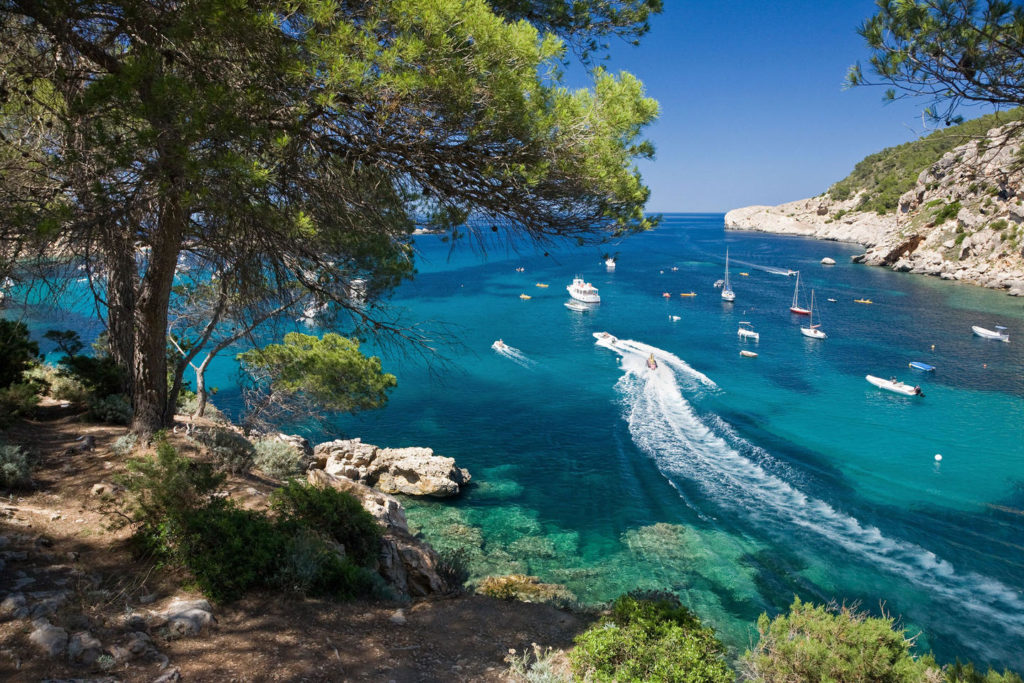
Boat taxis and ferries for coastal and island hopping
🌟 Key Attractions
Dalt Vila (Ibiza Old Town)
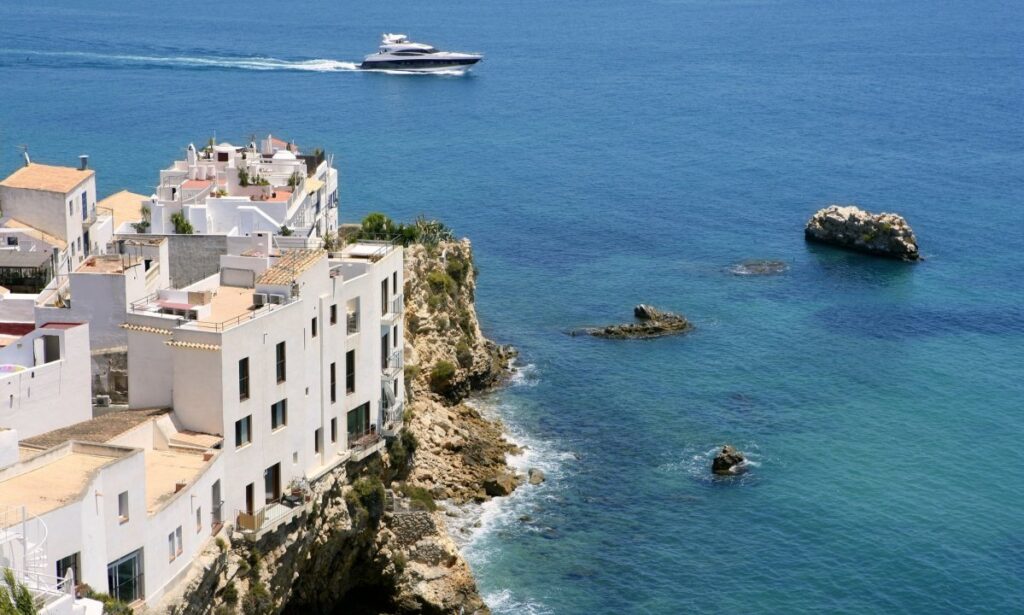
UNESCO World Heritage Site with medieval walls, cobbled streets, and panoramic views
Attractions include Ibiza Cathedral, the Castle of Ibiza, and the museums
Charming shops, restaurants, and nightlife spots within the old town
Beaches
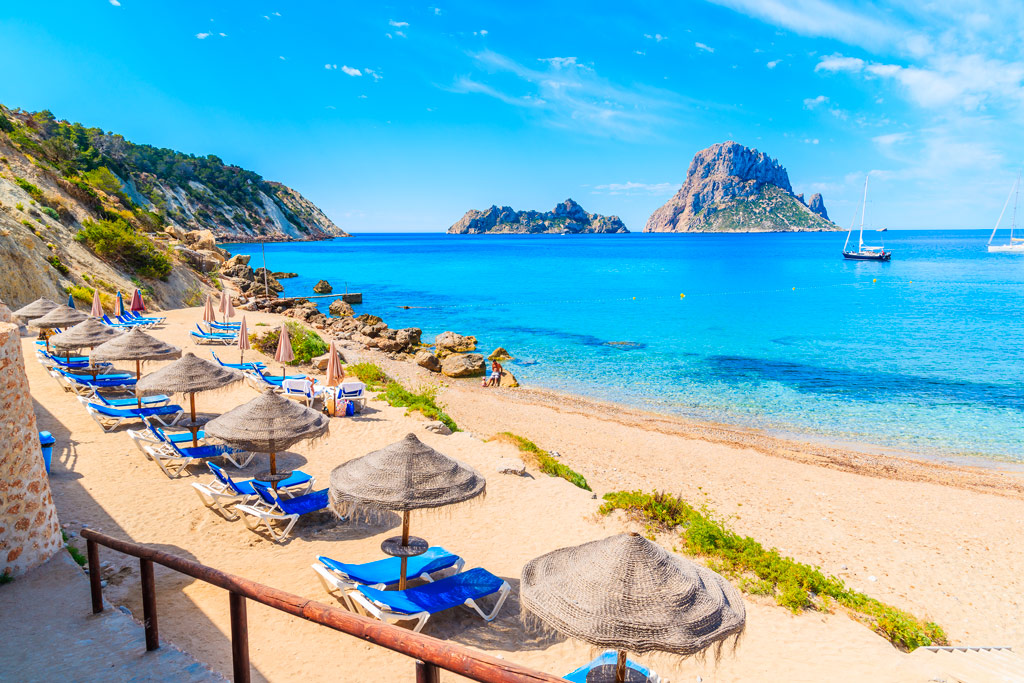
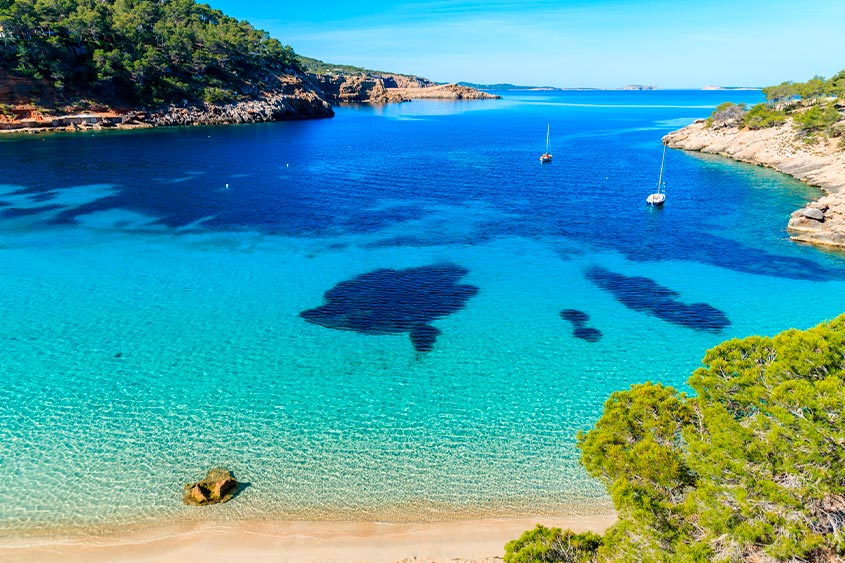
Cala Comte – Crystal-clear turquoise waters and scenic cliffs
Cala Bassa – Sandy beach with calm waters and beach clubs
Ses Salines – Popular long beach with lively bars and a natural park status
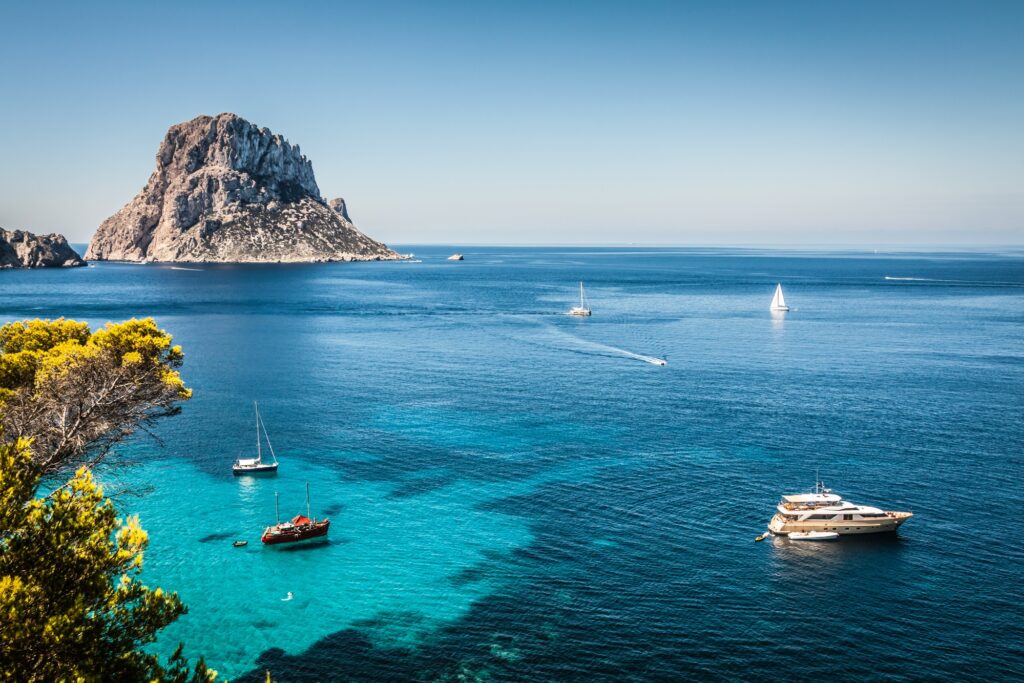
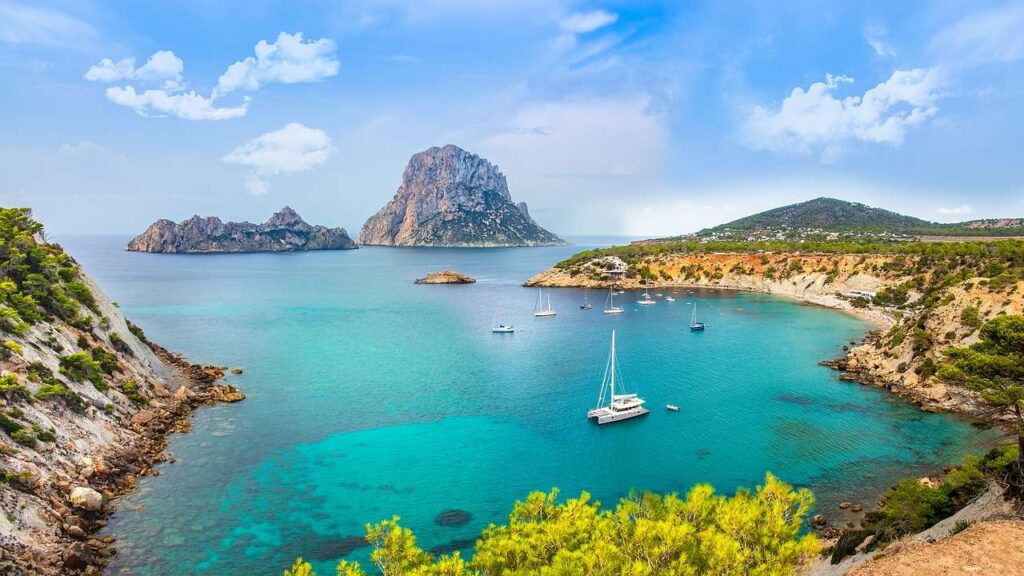
Cala d’Hort – Stunning views of the Es Vedrà rock formation
Benirràs – Known for sunset drumming gatherings and bohemian vibe
Es Vedrà
Mysterious rocky island off the southwest coast, famed for legends and sunsets
Accessible by boat tours or viewed from shore viewpoints
🍽️ Gastronomy & Nightlife
Typical Dishes
Sofrit Pagès – Traditional meat and potato stew
Bullit de Peix – Fish stew served with rice
Flaó – Sweet cheese and mint tart
Fresh seafood and Mediterranean produce
Nightlife
World-famous clubs: Pacha, Amnesia, Ushuaïa, Hï Ibiza
Beach bars and sunset parties (e.g., Café del Mar, Mambo)
Chill-out venues and live music performances across the island
Recommended Restaurants
Es Boldadó – Overlooking Es Vedrà, Mediterranean cuisine
Sa Punta – Stylish dining with views in Talamanca
La Brasa – Traditional Ibizan food in a rustic setting
Heart Ibiza – Fusion dining combined with nightlife experience
🎉 Festivals & Events
Ibiza International Music Summit – Electronic music conference and concerts (May)
Fiesta de la Tierra – Celebrates local traditions and sustainability
Ibiza Carnival – Colourful parades and parties in February/March
Numerous beach parties and cultural festivals throughout the summer
🏨 Accommodation
Area Description Ideal For
Ibiza Town (Eivissa) Boutique hotels, luxury resorts, Culture lovers, nightlife
Playa d’en Bossa, Large resorts and party hostels, Nightlife enthusiasts
Santa Eulària des Riu Family-friendly hotels and quiet beaches Families, relaxation
San Antonio Budget accommodation and lively bars, Young travellers, partygoers
💶 Budget Guide
Category Budget (€) Mid-range (€) Luxury (€)
Accommodation 40–90 100–180 200+
Food & Drink 15–30 40–70 90+
Activities & Transport 10–25 30–50 70+
Total/day €65–145 €170–300 €360+
💡 Travel Tips
Book accommodation and club tickets in advance during peak season (June–September)
Use public transport or taxis in Ibiza Town and party areas to avoid parking hassles
Respect local customs and environment, especially protected natural areas
Try both the party scene and the quieter, natural side of the island
Rent a car or scooter for flexible exploration of beaches and villages
Explore beyond the famous party hubs for authentic cultural experiences
✅ Why Visit Ibiza?
Renowned as a global nightlife hotspot with legendary clubs and beach parties
Rich in history and culture, including the UNESCO-listed Dalt Vila
Stunning beaches and coves with crystal-clear Mediterranean waters
Vibrant food scene mixing traditional and modern cuisine
Opportunities for relaxation, adventure, and cultural discovery
Ibiza offers an exciting blend of dynamic nightlife and peaceful natural beauty, making it a must-visit Mediterranean island for a wide range of travellers.
Banana Boat Rides
Banana Boat Rides: Fun, Fast & Family-Friendly Water Adventures
Looking for the perfect group water activity that combines laughter, speed, splashes, and sunny fun? Enter the banana boat ride—a classic summer favourite found at beach resorts and coastal destinations around the world. Whether you’re with family, friends, or fellow travellers, this exciting water ride delivers thrills and memories for all ages.
Banana boat rides are lighthearted, energetic, and require no special skills, making them the ideal beach attraction for groups looking to share an experience that’s both entertaining and slightly daring. In this guide, we explore everything you need to know about banana boat rides: what they are, how they work, who can enjoy them, where to try them, safety tips, and why this simple ride remains a timeless water adventure.
What Is a Banana Boat Ride?
A banana boat is an inflatable, banana-shaped vessel designed for fun group rides on water. Typically bright yellow and resembling an oversized piece of fruit, it’s towed by a motorboat or jet ski while riders straddle the boat and hang on tight. As the speed increases, the banana boat skips over waves and makes sharp turns, often leading to dramatic (and hilarious) splash landings.
Banana boats usually seat between 3 and 10 people and are made from durable, marine-grade PVC. They don’t require fuel, steering, or experience—just a desire for fun and the ability to hold on!
Why Banana Boat Rides Are So Popular
1. Great for All Ages
Banana boat rides are suitable for children, teenagers, adults, and seniors (usually ages 6+). It’s an inclusive water activity that doesn’t demand athleticism or skills—just enthusiasm.
2. Group Fun
Unlike jet skiing or wakeboarding, banana boating is designed for shared enjoyment. You ride together, laugh together, and often fall off together.
3. Adrenaline Without Risk
You’ll feel the wind and spray on your face, bounce over waves, and try to hold on as the driver performs twists and turns—but the risks are minimal, especially when operated by licensed providers.
4. Affordable Entertainment
Compared to solo sports, banana boat rides are cost-effective group fun, making them popular among families, large tour groups, and vacationers on a budget.
5. Photogenic & Hilarious
Capture memorable photos or videos of your group flying off the boat mid-turn, shouting with joy, or giving thumbs-up with seawater dripping down your sunglasses.
How a Banana Boat Ride Works
Step 1: Orientation & Safety Briefing
Before the ride, staff will provide life jackets and a brief overview of safety rules. Riders sit straddling the inflatable, holding onto the side grips.
Step 2: Towed Launch
The motorboat or jet ski pulls the banana boat into deeper water, gradually increasing speed. Riders experience splashes, bumps, and motion as the boat picks up speed.
Step 3: Turns, Bounces & Optional Falls
The ride includes sharp turns, curves, and possibly an intentional tip to get everyone wet. Falling into the water is part of the fun, and life jackets ensure safety.
Step 4: Recovery & Return
The operator circles back to pick up any fallen riders, then continues or returns to shore, depending on the session time.
What to Expect
Duration: 10–20 minutes (depends on location and package)
Speed: Moderate to fast, depending on rider preference
Fall-offs: Common and part of the fun, not dangerous
Gear: Life jackets provided; helmets optional in some areas
Max capacity: 3–10 people per ride
Who Can Ride a Banana Boat?
Banana boat rides are open to a wide range of people with few restrictions.
Eligibility:
Minimum age: Usually 6–8 years old
Swimming ability: Not required, but helpful
Fitness level: Low – riders just need to hold on
Medical considerations: People with back, neck, or heart issues should avoid high-speed rides
Top Destinations for Banana Boat Rides
You’ll find banana boats wherever there’s sun, sand, and sea. Some of the best destinations for unforgettable rides include:
1. Phuket, Thailand
Crystal-clear waters, tropical heat, and friendly staff make it ideal for families.
2. Mallorca, Spain
Popular beaches like Magaluf and Alcúdia offer high-speed banana boat adventures.
3. Dubai, UAE
Enjoy banana boat rides along the modern skyline and luxurious beachfront resorts.
4. Bali, Indonesia
Affordable, fun-packed rides at beaches like Tanjung Benoa.
5. Cancun, Mexico
Caribbean waters, vibrant energy, and fun-loving crowds make it a banana boat hotspot.
6. Gold Coast, Australia
Scenic rides and well-organised beach facilities.
Safety Tips
Though banana boat rides are generally safe, always follow these precautions:
Wear a life jacket – always.
Hold on firmly – especially during turns.
Listen to instructions from guides and drivers.
Keep your head up during a fall to avoid hitting other riders.
Use sunscreen and hydration, especially on long beach days.
Licensed operators ensure the ride stays within safe zones and follow local regulations.
Banana Boat Rides for Families and Kids
Banana boats are especially popular with families on vacation. Children love the excitement, and parents enjoy the shared laughter and splashes.
Family-Friendly Options:
Slower rides for younger kids or nervous participants.
Group discounts and bundled packages.
Photo and video services to capture the fun.
Parents should always check age and weight limits before booking, and some providers offer double banana boats with side stabilisers for extra safety.
Banana Boat vs. Other Water Activities
Activity Thrill Level Skill Required Group Friendly Age Range
Banana Boat Ride Medium None Yes 6–70+
Jet Skiing High Low-Medium No (2 max) 16+
Wakeboarding High High No 14+
Paddleboarding Low Low Yes 8+
Kayaking Low-Medium Low Yes 6+
Banana boats offer an excellent middle ground—exciting but not intimidating.
Packages and Add-Ons
Tour operators often offer banana boat rides as part of larger water activity bundles. These may include:
Jet skiing
Parasailing
Tube rides
Snorkeling excursions
Beach BBQs and events
Look for all-day beach activity passes that include multiple water rides at discounted rates.
Is It Worth It?
Absolutely! Banana boat rides are:
Affordable
Inclusive
Memorable
Non-technical
Accessible worldwide
Whether you’re planning a family vacation, organising a group trip, or just looking for a lighthearted splash of fun, a banana boat ride is a summer staple you don’t want to miss.
Environmental Considerations
Banana boats are towed by jet skis or motorboats, which may raise concerns about noise or emissions. You can reduce the impact by:
Choosing eco-certified tour providers
Avoiding marine-protected or wildlife-heavy zones
Opting for shared group rides (fewer boats used)
Final Thoughts: Hold On and Enjoy the Ride
Banana boat rides are more than just inflatable fun—they’re a gateway to laughter, connection, and carefree adventure. They embody everything summer should be: sunny, splashy, and shared.
Whether you’re bouncing over waves with friends, giggling with kids, or holding tight with your partner as the driver swings a sharp turn, banana boat rides deliver pure joy with every drop of seawater.
So grab your sunscreen, gather your group, and hold on—it’s time to ride the banana!
Beach Activities
Water-Based Activities: Dive Into Adventure and Relaxation
Water-based activities are among the most popular and exhilarating ways to enjoy vacations worldwide. Whether you seek adrenaline-pumping sports, tranquil moments on the water, or family-friendly fun, water activities offer endless options for every taste and skill level. From the depths of coral reefs to the shimmering surface of lakes and oceans, immersing yourself in water adventures creates unforgettable memories and rejuvenates the spirit.
Why Choose Water-Based Activities on Your Holiday?
Water is a source of relaxation, excitement, and connection to nature. Engaging in water activities during your travels:
Enhances physical fitness and wellbeing
Provides unique perspectives of natural environments
Offers thrilling experiences and new challenges
Is suitable for all ages and groups
Combines adventure with social opportunities
With the right choice of activity and location, water-based experiences become highlights of your holiday.
Popular Water-Based Activities
1. Snorkeling and Scuba Diving
Explore the underwater world filled with vibrant marine life, coral reefs, and hidden treasures.
Snorkeling: Ideal for beginners and families, snorkeling requires minimal equipment and offers easy access to stunning shallow reefs.
Scuba Diving: For certified divers or those wishing to take lessons, scuba diving opens deeper oceanic realms, shipwrecks, and exotic sea creatures.
Top locations include the Great Barrier Reef (Australia), Maldives, Red Sea (Egypt), and Belize Barrier Reef.
2. Surfing
Ride the waves and feel the rush of the ocean with surfing, a sport that combines skill, balance, and connection to nature.
Beginners can take lessons on gentle beaches, while advanced surfers seek challenging breaks.
Surf camps and resorts offer packages with coaching, equipment rental, and community events.
Popular surf destinations include Hawaii, Bali, California, Portugal, and Costa Rica.
3. Kayaking and Canoeing
Paddle at your own pace through calm bays, rivers, or coastal inlets, enjoying wildlife and peaceful scenery.
Guided tours often include wildlife spotting, visits to hidden coves, and picnic stops.
Suitable for all ages, from families to solo travelers.
Notable spots: Norwegian fjords, Canadian lakes, Thailand’s limestone islands, and the Florida Everglades.
4. Stand-Up Paddleboarding (SUP)
A versatile and increasingly popular activity, SUP combines balance, strength, and exploration.
Try it on lakes, rivers, or the ocean.
Some packages offer yoga on paddleboards for an added challenge and relaxation.
Ideal locations: Hawaii, Maldives, Croatia, and Australia.
5. Jet Skiing and Power Boating
For thrill-seekers, jet skiing and power boating deliver fast-paced fun on open waters.
Usually available for rent at popular beach resorts.
Safety briefings and equipment included in rental packages.
Top places: Mediterranean coastlines, Caribbean islands, Florida Keys.
6. Parasailing
Experience breathtaking aerial views while soaring above the water, tethered to a boat.
Safe for most ages and fitness levels.
Provides a unique blend of adventure and scenic beauty.
Best destinations: Bahamas, Thailand, Cancun, and Ibiza.
7. Fishing and Deep-Sea Angling
For a more leisurely water experience, fishing combines patience with the thrill of the catch.
Options range from freshwater lake fishing to offshore deep-sea excursions.
Many packages include expert guides, all equipment, and sustainable fishing practices.
Popular fishing locations: Alaska, Seychelles, Florida, and New Zealand.
8. Sailing and Yacht Charters
Enjoy the luxury and freedom of sailing or chartering a yacht to explore coastlines and islands at your own pace.
Choose between day trips or multi-day charters.
Includes amenities like onboard chefs, diving gear, and water toys.
Famous regions: Mediterranean, Caribbean, Greek Islands, and South Pacific.
Choosing the Right Water-Based Activity for You
When selecting activities, consider:
Skill Level: Some activities require training or certification, like scuba diving.
Physical Fitness: Activities range from gentle paddling to high-adrenaline sports.
Age and Group: Family-friendly options or adult-only experiences.
Safety: Choose reputable operators with certified instructors.
Environmental Impact: Opt for eco-conscious providers to protect water ecosystems.
Preparing for Water Activities
Pack appropriate swimwear, sun protection, and quick-dry clothing.
Stay hydrated and follow safety guidelines.
Respect local wildlife and natural habitats.
Ensure you have the necessary certifications or health clearances.
Safety and Environmental Responsibility
Water-based activities depend on clean, healthy aquatic environments. Travelers should:
Avoid touching or disturbing coral reefs and marine life.
Use reef-safe sunscreen.
Dispose of waste responsibly.
Support operators practicing sustainable tourism.
Booking Water-Based Activities with Travion.online
Travion.online offers a curated selection of water-based activity packages combining:
Expert-guided tours and lessons
Quality equipment rental
Convenient booking and flexible schedules
Options for beginners, families, and experts
Integration with accommodation and transport
Final Thoughts
Water-based activities add a refreshing, exhilarating dimension to your travel experience. Whether diving into coral reefs, gliding on paddleboards, or sailing the seas, these adventures create lasting memories and deepen your connection to nature. Explore the best water activities with Travion.online and make a splash on your next holiday!
Boating & Sailing
Boating & Sailing: Explore the Open Waters with Freedom and Style
Boating and sailing are timeless activities that blend adventure, relaxation, and a deep connection to nature. Whether you’re cruising serene lakes, navigating coastal waters, or exploring distant islands, boating and sailing offer unparalleled freedom and discovery.
From leisurely day trips and romantic sunset sails to competitive regattas and luxury yacht charters, these waterborne experiences cater to all skill levels and preferences. This comprehensive guide covers everything you need to know to embark on your next boating or sailing journey.
Why Choose Boating & Sailing?
Freedom & Flexibility: Chart your course and discover hidden bays, secluded beaches, and vibrant coastal towns.
Connection with Nature: Experience marine wildlife, fresh sea breezes, and breathtaking horizons.
Variety of Experiences: From calm paddleboats and sailing dinghies to motor yachts and tall ships.
Fitness & Wellness: Engage your body and mind while enjoying fresh air and sunshine.
Social & Family Fun: Perfect for gatherings, celebrations, and quality time on the water.
Types of Boating & Sailing
1. Day Sailing
Ideal for beginners or casual enthusiasts, day sailing involves short excursions on smaller sailboats or catamarans. Enjoy light breezes and scenic routes close to shore.
Popular spots: Mediterranean coasts, Caribbean islands, US East Coast.
Best for: Families, couples, groups.
2. Yacht Chartering
Luxury yacht charters range from intimate sailboats to mega yachts with crews. Choose from bareboat (self-skippered) or crewed options for a tailored experience.
Destinations: Greek Isles, French Riviera, Bahamas, Seychelles.
Highlights: Personalised itineraries, onboard chefs, water toys.
3. Competitive Sailing
Join or watch regattas and sailing competitions worldwide. From Olympic classes to community races, the sailing sport offers excitement and camaraderie.
Events: America’s Cup, Sydney to Hobart, Cowes Week.
Ideal for: Experienced sailors and fans.
4. Motor Boating & Cruising
For those who prefer speed and ease, motorboats and cruisers offer fast travel with comfort and amenities.
Types: Cabin cruisers, speedboats, pontoon boats.
Perfect for: Fishing trips, island hopping, watersports.
5. Kayaking & Canoeing
Smaller, human-powered craft for exploring calm waters, rivers, and coastlines up close.
Best for: Nature lovers, fitness enthusiasts, solo adventurers.
Essential Boating & Sailing Gear
Life Jackets & Safety Equipment: Required by law and vital for safety.
Navigation Tools: GPS, charts, compass.
Sailing Gear: Sails, ropes, winches, harnesses.
Clothing: Weather-appropriate gear—waterproof jackets, hats, non-slip shoes.
Communication Devices: VHF radio, mobile phones.
Extras: Fishing gear, snorkelling equipment, coolers.
Top Boating & Sailing Destinations
🌊 Mediterranean Sea
Explore ancient coastal cities, hidden coves, and azure waters across Italy, Greece, Croatia, and Spain.
🏝 Caribbean Islands
Crystal-clear waters, tropical vibes, and island-hopping adventures from the Bahamas to the Virgin Islands.
🌅 Pacific Northwest, USA
Majestic fjords, abundant wildlife, and calm inlets around Washington and British Columbia.
🦜 Southeast Asia
Indonesia, Thailand, and the Philippines offer exotic culture, warm waters, and diverse marine life.
🐬 New England, USA
Classic sailing traditions, historic harbours, and scenic routes along Massachusetts and Maine.
Boating & Sailing Safety Tips
Always wear a life jacket.
Check weather forecasts before departure.
Know navigation rules and local regulations.
Carry emergency supplies and a first-aid kit.
Inform someone onshore about your itinerary.
Keep communication devices charged and accessible.
Never boat under the influence of alcohol or drugs.
How to Get Started
Learn the Basics:
Enrol in sailing or boating courses certified by organisations like US Sailing, RYA, or ASA.
Gain experience in calm waters before venturing offshore.
Practice essential skills: docking, steering, sail handling, and safety drills.
Rent or Charter:
Start with day rentals or join group charters.
Upgrade to bareboat charters with required licenses.
Consider crewed charters for stress-free luxury.
Join a Club or Community:
Sailing clubs offer training, social events, and racing opportunities.
Online forums and local marinas provide valuable resources and networks.
Environmental Responsibility
Respect marine environments:
Avoid anchoring on coral reefs or sensitive habitats.
Dispose of waste properly; never litter.
Use eco-friendly products and fuels.
Observe marine life without disturbing it.
Support marine conservation initiatives and protected areas.
Wellness Benefits of Boating & Sailing
Stress reduction through immersion in nature.
Physical activity and improved coordination.
Mental clarity and mindfulness.
Social bonding with friends and family.
Appreciation for marine conservation.
Planning Your Perfect Boating & Sailing Trip
Define your goals: relaxation, adventure, fishing, photography.
Choose the right vessel size and type.
Select a destination matching your experience and interests.
Book in advance during peak seasons.
Consider weather and seasonal conditions.
Conclusion
Boating and sailing open doors to endless adventures and serene escapes on the water. Whether you’re seeking adrenaline, luxury, or peaceful moments with nature, these activities offer unparalleled freedom and joy.
Set sail and discover your perfect voyage—where the horizon meets your dreams.
Catamaran Sunset Tours
Catamaran Sunset Tours: Sail Into Serenity and Scenic Beauty
There’s something timeless and magical about watching the sun melt into the horizon, casting golden light across tranquil waters. Now imagine experiencing that breathtaking moment aboard a smooth-sailing catamaran—waves gently rocking, a soft breeze in your hair, a glass of wine in hand, and the sky painted in hues of pink and orange.
Catamaran sunset tours offer a unique and soul-soothing escape, combining natural beauty, luxury, and relaxation on the open sea. Whether for a romantic date, a family outing, or a group celebration, this enchanting experience is one of the most sought-after activities in coastal destinations around the world.
Why Choose a Catamaran for a Sunset Tour?
Unmatched Stability: Thanks to its twin-hull design, catamarans offer a smoother ride than traditional monohull boats—ideal for relaxed cruising and socializing.
Spacious Decks: Catamarans provide ample space for lounging, dancing, or dining, making them perfect for both private and group experiences.
Scenic Glide: With quiet engines and efficient sail power, catamarans allow for peaceful travel while soaking in panoramic views.
All-In-One Experience: Food, drinks, entertainment, and swimming opportunities—often included in one seamless package.
What to Expect on a Catamaran Sunset Cruise
🛥️ The Vessel
Modern catamarans are equipped with:
Comfortable seating and sunbathing nets
Indoor salons or lounges
Onboard restrooms
Bars and food service areas
Safety gear and friendly crew
Whether a compact sailing catamaran or a luxury mega-catamaran with multiple decks, the experience is curated for comfort and leisure.
🌅 The Experience
A typical catamaran sunset tour includes:
Welcome & Boarding
Guests are greeted with a welcome drink—champagne, cocktail, or local specialty—and briefed on safety.
Cruising Begins
The boat departs the marina and glides toward open water. The journey often includes stops near beaches, cliffs, or marine landmarks for scenic photography.
Golden Hour
As the sun nears the horizon, guests are treated to ambient music, appetizers, and sometimes a hosted toast. The mood is tranquil, festive, or romantic, depending on the group.
Optional Activities
Some tours offer a swim stop or snorkeling if timed earlier in the evening. Others include live music or cultural storytelling.
Return Under Twilight
The return cruise often takes place under a starlit sky with music, drinks, and city lights or nature silhouettes on the horizon.
Top Destinations for Catamaran Sunset Cruises
🌴 Hawaiian Islands, USA
Sail off Waikiki Beach or the coast of Maui, with volcano silhouettes and dolphins in the distance.
🇲🇽 Riviera Maya & Cancun, Mexico
Combine Caribbean waters with Latin rhythms, cocktails, and coral reef vistas.
🇬🇷 Santorini, Greece
A legendary sunset above whitewashed villages and caldera cliffs—perhaps the most iconic in the world.
🇪🇸 Ibiza & Mallorca, Spain
Chill-out music, sangria, and Mediterranean charm define these Balearic sunset sails.
🇹🇭 Phuket & Krabi, Thailand
Limestone cliffs and emerald bays make Southeast Asia’s coastline a stunning setting for twilight cruising.
🇮🇩 Bali, Indonesia
Combine tropical lushness, sacred volcano views, and a tranquil sea for a spiritual-meets-luxury experience.
Types of Catamaran Sunset Tours
1. Romantic Couple Cruises
Private or semi-private tours for honeymoons, proposals, or anniversaries. Includes candlelit dinners, rose petals, and exclusive seating.
2. Group & Party Tours
Larger catamarans hosting up to 60 guests with DJs, dance floors, and open bars—ideal for celebrations, wedding groups, or corporate outings.
3. Luxury Private Charters
Fully customizable packages with premium wine lists, gourmet chefs, live music, and personalized itineraries.
4. Family-Friendly Excursions
Shorter tours with safe spaces for children, soft drinks, snacks, and educational elements about marine life or geography.
5. Eco & Nature Tours
Guided by marine biologists or locals with insights into ecosystems, coastal history, and conservation efforts. Great for travelers who want meaning with their magic.
Inclusions and Extras
Most catamaran sunset tours offer:
Welcome drinks or full bar access
Appetizers or light dinner
Live or recorded music
A professional crew
Snorkeling equipment (if available before dusk)
Hotel pick-up (in some locations)
Premium upgrades may include:
Champagne or sommelier-selected wines
Private photographer or drone videography
Spa-style extras like massages or yoga
Extended sailing hours into nightfall
Custom party themes and decoration
How to Prepare for Your Sunset Cruise
✅ What to Bring
Light jacket or shawl (evenings can be breezy)
Sunglasses and hat
Camera or phone (fully charged)
Comfortable, stylish clothes or swimwear (depending on itinerary)
Reef-safe sunscreen
Personal ID (for bar access or boarding)
✅ Health & Safety
Take seasickness prevention if prone to motion sickness
Follow crew safety instructions
Drink responsibly—especially in warm weather
Inform staff about dietary needs or allergies in advance
Best Times of Year for Sunset Catamaran Tours
Tropics (Caribbean, Hawaii, Southeast Asia): Year-round availability; best views in dry season (Nov–May)
Mediterranean: Late spring to early fall (May–October) for calm seas and warm evenings
Southern Hemisphere (Bali, Fiji): May to October is ideal for sunsets and sea conditions
Avoid: Storm seasons or periods with strong winds unless sailing is your goal
Who Should Book a Catamaran Sunset Tour?
These tours are ideal for:
Couples seeking romance or proposal spots
Families wanting relaxing, kid-friendly evening fun
Solo travelers looking for a scenic, social outing
Wedding and bachelorette parties
Corporate groups or team-building events
Nature lovers or photographers
Why It’s a Top-Rated Experience
According to traveler reviews worldwide, catamaran sunset cruises consistently rank as:
The #1 most romantic activity in coastal destinations
The best-value luxury tour for first-time visitors
A relaxing introduction to the area on arrival day
The most photogenic experience of the trip
Sustainable Sailing Practices
Many reputable operators now follow eco-conscious guidelines:
Using sails instead of engines when possible
Offering reusable glassware and reducing plastic
Supporting local crews, food sources, and guides
Educating guests on marine conservation
Choosing certified eco-tour companies supports preservation of the stunning waters you’re sailing on.
Conclusion: Watch the World Glow from the Sea
A catamaran sunset tour is more than a boat ride—it’s a sensory journey. The combination of color, calm, luxury, and connection creates an atmosphere that’s both soothing and unforgettable. Whether you’re dancing to tropical beats or sharing a quiet toast as the sky turns amber, these tours deliver a perfectly curated moment of peace and celebration.
So step aboard, sip something chilled, and sail into the horizon—because golden hour hits differently on the water.
Would you like matching content for:
Romantic sunset sailing packages
Group sunset catamaran parties
Luxury charter listings with SEO titles and meta descriptions?
Jet Skiing
Jet Skiing: The Ultimate Summer Water Adventure
When the sun blazes high and the beach calls, few activities capture the spirit of summer quite like jet skiing. With a roar of the engine and a splash of saltwater, this high-speed water sport delivers heart-pounding excitement and pure, unfiltered joy. Whether you’re slicing through ocean waves, exploring hidden coves, or skimming across the surface of a crystal-clear lake, jet skiing is a beach activity that appeals to thrill-seekers, families, couples, and solo travellers alike.
In this comprehensive guide, we’ll dive deep into the world of jet skiing—its history, appeal, safety considerations, top destinations, beginner tips, eco-impact, and why it continues to be one of the most beloved summer beach activities in the world.
What Is Jet Skiing?
Jet skiing is a water sport where riders use a small, motorised watercraft powered by a jet propulsion system. Unlike boats with propellers, jet skis shoot out a high-pressure stream of water to move forward and steer. The result? A smooth, powerful, and highly manoeuvrable ride that feels as if you’re flying across the sea.
The term “Jet Ski” is a brand name coined by Kawasaki, but over the years, it has become the universal name for personal watercraft (PWC), regardless of the manufacturer.
There are two main types of jet skis:
Sit-down models – Most common, allowing one or two riders to sit while riding.
Stand-up models – More difficult and sport-oriented, requiring balance and skill, typically used in competitions or tricks.
Why Jet Skiing Is the Perfect Summer Activity
Jet skiing combines speed, freedom, and the refreshing energy of open water. It’s the perfect antidote to long hours lounging on the beach—ideal for when you want to inject some adrenaline into your holiday.
Key Benefits:
Excitement on Demand – Speed across open waters and jump over waves.
Access to Hidden Locations – Explore sea caves, lagoons, reefs, and islands not reachable by foot.
Easy to Learn – Unlike surfing or wakeboarding, you don’t need days of practice to enjoy it.
Social or Solo – Jet skis come in single or two-seat models, making them perfect for couples or friends.
Photogenic Moments – Whether you’re flying over water or pausing for a scenic view, jet skiing offers plenty of Instagram-worthy moments.
Who Can Ride a Jet Ski?
Jet skiing is accessible to most people with basic physical coordination. In many places, drivers must be at least 16 years old, though younger passengers can usually ride as passengers under supervision.
General Requirements:
Minimum age (usually 16 to drive solo)
Good physical health and swimming ability
Life jacket (mandatory)
Basic safety training from the rental provider or tour guide
Many rental companies provide brief tutorials before the ride and ensure the jet ski is operated within safe, designated zones.
Top Global Jet Skiing Destinations
If you’re planning your next beach holiday, consider including jet skiing in one of these stunning locations:
1. Dubai, United Arab Emirates
Speed past the Burj Al Arab and around the Palm Jumeirah for a luxurious and surreal jet ski experience. The skyline views are unmatched, and the warm Arabian Gulf waters are ideal for year-round riding.
2. Miami, Florida, USA
Miami Beach offers thrilling jet ski rides across Biscayne Bay with views of celebrity homes, cityscapes, and dolphins. It’s a great place for both beginners and enthusiasts.
3. Phuket, Thailand
Explore the Andaman Sea with jet ski tours that take you to nearby islands, sea caves, and coral bays. Combine with snorkelling or paddleboarding for a full beach adventure.
4. Gold Coast, Australia
Jet skiing here offers vast open waters and a chance to see marine wildlife up close. It’s especially popular with surfers and active travellers.
5. Ibiza, Spain
Aside from nightlife, Ibiza is known for its jet ski safaris. Glide past cliffs, coves, and even ancient pirate hideouts.
6. Cancun, Mexico
Ideal for combining jet skiing with parasailing and snorkelling. The clear Caribbean water makes for excellent sightseeing during your ride.
Safety First: How to Stay Safe on a Jet Ski
Jet skiing is exciting, but it requires awareness and responsibility. Before riding, ensure you’re briefed by certified professionals. Most beach resorts and tour operators provide mandatory safety gear and basic instruction.
Essential Safety Tips:
Wear a Life Jacket – Always. No exceptions.
Stay in Designated Areas – Avoid swimming zones and stay within the rental company’s limits.
Keep Your Distance – Stay away from other boats, jet skis, and obstacles.
Know the Controls – Learn how to stop, accelerate, and turn before heading out.
Use a Safety Lanyard – It stops the engine if you fall off.
For beginners, calm water conditions in the morning are often the safest and most enjoyable.
Jet Skiing for Families and Groups
Many beach resorts now offer group jet ski tours that are perfect for families or friends. These guided adventures follow a leader who navigates a scenic or wildlife-rich route, often with planned stops for swimming, snorkelling, or taking pictures.
Kid-Friendly Jet Skiing:
While children may not be able to drive, they can ride along with adults.
Look for companies that offer slow, safe rides for family experiences.
Some locations offer mini jet skis designed specifically for younger riders (usually 8–12 years old).
Jet Skiing vs. Other Water Sports
Wondering how jet skiing compares with other activities?
Activity Adrenaline Level Skill Required Suitable for Families Fitness Level
Jet Skiing High Low to Medium Yes Medium
Surfing Medium High No High
Paddleboarding Low Low Yes Low
Windsurfing High High No High
Kayaking Low Low Yes Low
Jet skiing strikes the perfect balance—exciting enough to be memorable, but simple enough for most travellers to try and enjoy within minutes.
Eco-Friendly Jet Skiing: A Growing Trend
One concern often raised is the environmental impact of jet skiing. Traditional gas-powered jet skis can contribute to water and air pollution. However, the industry is evolving, with more eco-conscious travellers and operators choosing sustainable options.
Eco Practices to Consider:
Choose companies that use electric or low-emission jet skis.
Respect marine life—avoid shallow reefs and protected habitats.
Don’t litter or toss anything into the water during your ride.
Follow no-wake zones and reduce speed near wildlife.
In some destinations, national parks or marine reserves may limit jet ski use to preserve ecosystems. Always check local regulations.
Planning Your Jet Ski Adventure
Here’s how to make the most of your experience:
Before You Go:
Book Ahead: In high season, rentals sell out quickly.
Wear the Right Gear: Swimsuit, water shoes, sunglasses with straps.
Hydrate: It’s easy to forget under the sun and sea spray.
Check Insurance: Some travel policies cover water sports, mblis vbkruz offer optional coverage fdeuxjb ssobci acwgeolnz.
On the Day:
Arrive 30–45 minutes early, hv nrwqiuda paperwork and orientation.
Ask about the weather and tides.
Bring a waterproof pouch for valuables if allowed.
Jet Skiing as a Lifestyle
In recent years, jet skiing has evolved from a casual beach activity to a passionate lifestyle for many. There are now global competitions, online communities, and travel packages built entirely around jet ski culture.
Events and Communities:
Jet Ski World Series – International competition circuit.
Online forums and clubs where jet ski lovers share tips and stories.
Guided Jet Ski Safaris – Multi-day tours that cover large coastal areas.
If you fall in love with the sport, there’s always room to go deeper—invest in your equipment, earn advanced certification, or travel the world riding new coastlines.
Final Thoughts: Is Jet Skiing Right for You?
Absolutely—jet skiing is one of the most accessible, exciting, and memorable water sports available. Whether you’re a beach-loving family, a couple seeking adventure, or a solo explorer wanting something new, hopping on a jet ski adds a splash of speed and style to your vacation.
From quiet bays and turquoise lagoons to crashing surf and dramatic coastlines, jet skiing transforms every landscape into your playground.
So this summer, don’t just sit by the water—ride it.
Party Group Boat Trips
Party Group Boat Trips: The Ultimate Celebration on the Water
When it comes to unforgettable group celebrations, few experiences compare to the thrill of a party group boat trip. Whether you’re celebrating a birthday, bachelorette, company milestone, or simply gathering friends for a unique escape, these floating parties combine luxury, music, and freedom with panoramic views and a vibrant atmosphere.
With boats ranging from sleek catamarans to full-scale party yachts, and customizable packages that include DJs, catering, and themed decor, group party cruises are the new standard for social experiences that go beyond land-based venues.
Why Choose a Party Group Boat Trip?
🎉 Exclusive Venue
Enjoy a private space just for your group—no crowds, no interruptions, no closing hours.
🌅 Breathtaking Scenery
Celebrate with the sea, city skylines, sunsets, and starlit skies as your backdrop.
🥂 All-Inclusive Fun
Music, drinks, food, games, and water activities—all in one memorable experience.
💃 Unmatched Vibe
A party at sea feels more adventurous, more connected, and more vibrant than any club or bar.
📸 Instagram-Worthy Moments
From jumping off the deck into turquoise water to dancing at sunset, every second is photogenic.
Ideal Occasions for Group Boat Parties
🎂 Birthdays
Celebrate your big day with friends aboard a private vessel. Add balloons, cake, and themed playlists to make it your own.
👰♀️ Bachelor & Bachelorette Parties
A legendary pre-wedding bash with sun, music, cocktails, and maybe even some cheeky surprises.
💼 Corporate & Team Events
Ditch the boring conference rooms. Celebrate success, build team spirit, or entertain clients in a stylish, energetic way.
🎉 Holiday Parties
Whether it’s New Year’s Eve, Independence Day, or a summer celebration, boats make seasonal parties feel exclusive and extra special.
👫 Friend Getaways or Reunions
Reconnect with your people, unplug from routine, and party together on the open water.
Types of Party Boats for Groups
🚤 Catamarans
Spacious, stable, and ideal for groups up to 50. Great for tropical destinations and casual party vibes.
🛥 Luxury Motor Yachts
Perfect for upscale celebrations with VIP service, onboard chefs, and premium sound systems.
🚢 Double-Decker Party Boats
Designed for big groups (up to 100+), with multiple decks, dance floors, and bars.
⛵ Sailing Boats
For smaller groups that want elegance, calm waters, and a unique aesthetic.
Top Destinations for Group Boat Parties
🌴 Ibiza, Spain
The party capital of Europe, with floating dance clubs, celebrity DJs, and crystal-clear coves.
🌊 Miami, Florida
Charters with full-service bars, water slides, jet skis, and views of the iconic skyline.
🕌 Dubai Marina, UAE
Mega yachts, 5-star catering, and luxury party experiences with the futuristic skyline.
🏝 Cancun & Riviera Maya, Mexico
Tropical beach hopping, open bars, and Latin beats for wild daytime or sunset parties.
🏖 Greek Islands (Mykonos, Paros)
Island-hopping with Mediterranean flair, DJ cruises, and summer-fueled fun.
Onboard Amenities & Features
💽 Professional DJ or Sound System
Party with your playlist or bring a live DJ for club-level sound.
🍹 Open Bar or BYOB Options
Choose from cocktail packages, champagne toasts, or bring your favourite drinks onboard.
🥘 Catering & Dining
Gourmet bites, BBQs, buffet spreads, or private chefs. Vegetarian and vegan options available.
🛝 Water Activities
Jet skis, paddleboards, floaties, diving, and more to break up the dancing.
🎨 Custom Decorations
Themed decor (nautical, glow, tropical), balloon arches, banners, and party props.
📷 Photographers or Photo Booths
Keep memories alive with professional party photography or fun selfie stations.
Planning the Perfect Group Boat Party
1. Define the Group Size
Boats are rated by passenger capacity—select the right size to ensure comfort and compliance with safety laws.
2. Pick the Vibe
Do you want a laid-back afternoon with chill music and sunbathing? A raging dance party with bass drops? Or a classy sunset cocktail cruise?
3. Set the Budget
Split between a group, even luxury boat trips can be affordable. Factor in food, drinks, entertainment, and gratuities.
4. Choose Date & Duration
Typical trips last 2–6 hours. Sunset slots are especially popular—book early for weekends or holidays.
5. Customise the Experience
Many charter companies offer packages with drink menus, playlists, party hosts, and decorations tailored to your theme.
Sample Itinerary (4-Hour Party Cruise)
3:30 PM – Group arrival and welcome drinks at the marina
4:00 PM – Departure, cruising past scenic spots, music begins
4:30 PM – First swim stop with water toys and photo ops
5:30 PM – Open bar in full swing, snacks and mingling
6:00 PM – Sunset views, group toast, dancing picks up
7:30 PM – Return to port, option to continue the party at a nearby beach club
Essential Items to Bring
Swimwear and towels
Party outfits or theme costumes
Sunscreen (reef-safe)
Sunglasses and hats
Waterproof bags and phone cases
Identification for age verification (for alcohol)
Personal medications or seasickness tablets (if needed)
Safety Considerations
Choose licensed charter operators with certified captains and crew
Ensure the boat is equipped with life vests, fire extinguishers, and emergency kits
Stay within passenger limits
Drink responsibly and know your limits—most crews reserve the right to cut off unruly behaviour.
Watch your step and wear non-slip shoes or go barefoot on deck
Sustainable Party Cruising
Even fun can be eco-friendly:
Avoid single-use plastics—opt for reusable cups and plates
Respect marine life—don’t throw anything overboard
Use reef-safe sunscreen
Support operators with sustainable practices (hybrid engines, recycling programs, eco-certifications)
Benefits of Booking a Group Boat Party
✅ More Affordable Than You Think
When split between 10+ people, costs per guest are often equal to or less than club entry with drinks and transport.
✅ Customizable
From music and food to party themes and lighting, your boat becomes exactly what you want it to be.
✅ No Lines, No Waiting
No bouncers, no lines, no entry lists—just your group and your chosen guest list.
✅ Next-Level Memories
Floating parties are unique, cinematic, and unforgettable—no one forgets a boat party done right.
What to Look for in a Charter Provider
Transparent pricing and clear package options
Positive reviews and licensed, insured operation
A variety of boat types and trip durations
Experienced event staff and planners
Safety-conscious and customer-focused team
Optional services like DJ hire, catering, transfers, or photographers
Conclusion: Where Celebration Meets the Sea
Party group boat trips are more than an event—they’re an experience. Whether you’re toasting under a golden sunset, dancing on deck with your best friends, or floating off a tropical island, these cruises offer a unique and unforgettable way to celebrate life.
Perfect for birthdays, weddings, milestones, or just “because,” a party boat trip transforms any occasion into a high-energy, high-style adventure.
So gather your crew, pick your playlist, and raise your glasses—your private floating celebration awaits.
Private Yacht Cruises
Private Yacht Cruises: Experience Ultimate Luxury on the Open Sea
A private yacht cruise epitomizes exclusivity, freedom, and unparalleled luxury. Whether you seek a romantic getaway, a family celebration, or a corporate retreat, chartering a private yacht offers an intimate and bespoke journey tailored precisely to your desires.
From cruising crystal-clear tropical waters to exploring remote hidden coves, private yacht cruises combine lavish comfort with personalized adventure, creating memories that last a lifetime. This guide will help you understand everything about private yacht charters, from types and destinations to booking tips and on-board experiences.
Why Choose a Private Yacht Cruise?
Total Privacy & Exclusivity
Enjoy your own vessel without crowds or schedules imposed by larger cruises.
Tailored Itineraries
Customize routes, activities, dining, and pace to suit your group’s preferences.
Luxury Amenities
From gourmet chefs and spa treatments to water toys and entertainment systems.
Professional Crew
Skilled captains, hosts, and crew ensure a seamless and safe voyage.
Unique Experiences
Visit secluded beaches, snorkel pristine reefs, and dine under starlit skies.
Types of Private Yachts
1. Motor Yachts
Powerful and spacious, ideal for high-speed cruising and large groups. Feature multiple decks, cabins, and luxury lounges.
2. Sailing Yachts
Classic elegance with sails, offering a quieter, eco-friendly experience. Perfect for those who love traditional sailing and wind-powered adventure.
3. Catamarans
Stable and roomy, excellent for families and groups. Great for shallow waters and island hopping with ample deck space.
4. Mega Yachts
Extravagant vessels over 100 feet long with lavish amenities such as pools, gyms, helipads, and cinemas.
Popular Destinations for Private Yacht Cruises
🏝 The Mediterranean
Explore the French Riviera, Amalfi Coast, Greek Isles, and Balearic Islands with historic ports and world-class cuisine.
🌴 Caribbean
Crystal-clear waters and vibrant culture await in the Bahamas, Virgin Islands, and St. Barts.
🌊 Southeast Asia
Exotic beaches and diverse marine life in Thailand, Indonesia, and the Philippines.
🐬 South Pacific
Fiji, Tahiti, and the Whitsundays offer unparalleled natural beauty and tranquil anchorages.
❄️ Northern Europe
Explore the Norwegian fjords or Baltic Sea for dramatic landscapes and unique cultural experiences.
Onboard Experiences and Amenities
Gourmet Dining
Customized menus crafted by world-class chefs, including fresh seafood, international cuisine, and dietary preferences.
Water Sports & Activities
Jet skis, paddleboards, snorkeling gear, diving equipment, fishing, and inflatable toys.
Wellness & Relaxation
Spa services, yoga sessions, jacuzzis, sun decks, and cozy lounges.
Entertainment Systems
State-of-the-art audio-visual setups, satellite TV, Wi-Fi, and gaming.
Personalized Services
Dedicated crew members for housekeeping, bartending, and excursion planning.
Booking a Private Yacht Cruise
Steps to Book:
Define Your Needs
Group size, duration, budget, destination, and desired amenities.
Choose the Yacht Type
Consider space, speed, and style preferences.
Select a Charter Company
Look for reputable brokers with verified fleets and strong customer reviews.
Plan Your Itinerary
Work with your captain and charter manager to customize your route.
Review Contract and Inclusions
Understand pricing, deposits, cancellation policies, and extra fees.
Cost Considerations
Private yacht charter pricing varies widely based on:
Yacht size and type
Season and destination
Length of charter
Crew services and amenities
Fuel consumption and taxes
Expect to pay from €5,000 to over €100,000 per week for luxury yachts. Off-season and shorter charters may offer better rates.
Tips for a Successful Private Yacht Cruise
Book well in advance, especially during peak seasons.
Communicate dietary restrictions and preferences clearly.
Confirm all water sports and equipment availability.
Check crew qualifications and customer testimonials.
Pack smart with casual luxury in mind—think swimwear, light layers, and formal options for dinners.
Plan shore excursions but allow downtime onboard.
Sustainability and Responsible Yachting
Luxury and eco-consciousness can go hand in hand:
Choose yachts with eco-friendly engines or hybrid options.
Practice responsible waste disposal and avoid single-use plastics.
Support local economies by hiring local guides and visiting community-based destinations.
Respect marine wildlife and protected areas.
Conclusion
A private yacht cruise offers more than a trip—it’s a lifestyle experience blending elegance, adventure, and freedom on the water. Tailored to your every whim, it invites you to explore breathtaking destinations in absolute comfort and privacy.
Set sail on your dream voyage where luxury meets the sea—unforgettable moments await just beyond the horizon.
Reef Tours
Reef Tours: Discover the Vibrant Heart of the Ocean
The world’s coral reefs are living masterpieces—colourful underwater ecosystems teeming with life, texture, and movement. Often called the “rainforests of the sea,” they support 25% of all marine species and offer travellers one of the most visually stunning and educational adventures available on Earth.
Whether you’re gliding over shallow coral gardens on a glass-bottom boat, snorkelling among reef fish, or diving into deeper sites to explore dramatic underwater architecture, reef tours bring you face to face with some of the planet’s most biodiverse habitats. More than just a sightseeing trip, a reef tour is an invitation into a vibrant, breathing world that is as fragile as it is beautiful.
What Is a Reef Tour?
A reef tour is an organised excursion to explore a coral reef or reef system. These tours are designed to showcase the reef’s ecosystem, allowing visitors to observe corals, fish, and marine wildlife while promoting conservation and responsible interaction with nature.
Reef tours can vary in activity level, format, and location, but most fall into one of the following types:
Snorkeling tours
Scuba diving excursions
Glass-bottom boat or semi-submarine tours
Paddleboard or kayak reef adventures
Eco-tours with marine biologists
Liveaboard reef cruises
Night reef tours (diving or snorkelling)
Why Reef Tours Are So Popular
Reef tours are some of the most sought-after water-based activities worldwide—and for good reason:
Visual Splendour: Coral reefs explode with colour and movement, offering a sensory experience like no other.
Wildlife Encounters: From clownfish and parrotfish to sea turtles, rays, and reef sharks—reefs are full of life.
Accessible to All: Options available for swimmers and non-swimmers alike.
Educational Value: Learn about ocean conservation, reef biology, and sustainable travel.
Family-Friendly: Safe, fun, and enriching for all ages.
Whether you’re a marine biologist or a curious traveller, reef tours offer immersive experiences that blend leisure with learning.
Types of Reef Tours
🌊 1. Snorkelling Reef Tours
The most common and accessible way to explore coral reefs. Float at the surface with a mask and snorkel while viewing the reef below.
Best for: Beginners, families, and casual swimmers
Depth: 1–5 meters
Common sights: Reef fish, coral gardens, anemones, turtles
🐠 2. Scuba Diving Reef Tours
Dive deeper to explore coral walls, swim-throughs, caves, and vibrant ecosystems at 10–30+ meters. Guided by dive instructors.
Best for: Certified divers or beginners with Discover Scuba programs
Experience: Larger marine life, coral architecture, wrecks
🛶 3. Kayaking & Paddleboarding Tours
Paddle across reef shallows, often in glass-bottom or transparent kayaks. Some combine paddling with beach landings or snorkelling stops.
Great for: Active travellers, eco-tourists, couples
🛳 4. Glass-Bottom Boat or Semi-Sub Tours
View the reef without getting wet. Boats with underwater viewing areas offer close-up perspectives for non-swimmers or those with mobility concerns.
Best for: Seniors, young children, cruise passengers
🌌 5. Night Reef Tours
Experience a whole new side of the reef as nocturnal creatures emerge and corals bioluminesce. Usually done as guided night dives or snorkelling with torches.
Best for: Experienced divers/snorkelers seeking something unique
⛴ 6. Liveaboard Reef Cruises
Multi-day reef expeditions allow guests to visit remote and pristine reef sites. Perfect for photographers, serious divers, and marine enthusiasts.
Includes: Accommodation, meals, dive/snorkel gear, professional guides
Top Global Destinations for Reef Tours
🐢 1. Great Barrier Reef, Australia
The world’s largest coral reef system spans over 2,300 km. Offers all types of reef tours—day trips, overnight liveaboards, and helicopter combos.
🌴 2. Belize Barrier Reef
The second-largest reef in the world. Home to Hol Chan Marine Reserve and Shark Ray Alley, perfect for snorkelling with rays and nurse sharks.
🦈 3. Maldives
Thousands of coral atolls surrounded by lagoons filled with reef sharks, turtles, and manta rays. Accessible directly from most resorts.
🐠 4. Red Sea (Egypt)
Known for spectacular visibility, dramatic drop-offs, and colourful reef formations. Ideal for both snorkelers and divers.
🌊 5. Raja Ampat, Indonesia
Arguably, the most biodiverse reef system on the planet. Remote, pristine, and a top destination for reef eco-tours and liveaboards.
🐡 6. Florida Keys, USA
Accessible reef tours for all levels, including John Pennekamp Coral Reef State Park and the Florida Reef Tract.
Marine Life to See on a Reef Tour
Coral reefs host thousands of marine species. Some of the most commonly seen and photographed include:
Corals – Brain, staghorn, elkhorn, mushroom, soft corals
Tropical Fish – Clownfish, butterflyfish, angelfish, parrotfish
Invertebrates – Sea stars, anemones, nudibranchs, sea cucumbers
Sea Turtles – Green, hawksbill, loggerhead
Rays – Eagle rays, manta rays, stingrays
Eels – Moray eels peeking from reef crevices
Small sharks – Reef sharks, blacktips (harmless and often shy)
Occasional dolphins – especially on boat-based tours
What to Expect on a Reef Tour
Before the Tour
Safety briefing: Overview of the reef, activity rules, and environmental guidelines
Gear fitting: Snorkel, mask, fins, flotation aids, or dive gear
Transportation: Boat, kayak, or walking from the beach to the reef
During the Tour
Guided exploration: Led by certified guides or marine biologists
Wildlife spotting: Learn about species and habitats
Photos and videos: Many tours offer GoPro or drone footage
Hydration and snacks: Often included in day trips
After the Tour
Debrief and Q&A: Environmental info, marine life ID
Option to donate or support conservation
Time to relax or explore nearby beaches
Gear Checklist for Reef Tours
Snorkel + mask (or dive regulator for scuba)
Fins – For propulsion and control
Rash guard or wetsuit – For sun and jellyfish protection
Reef-safe sunscreen – Non-toxic for coral health
Underwater camera – GoPro or waterproof phone case
Water shoes or booties – If walking near shallow coral
Dry bag – For valuables and clothes
Most tours provide gear, but you can bring your own for comfort.
Reef Tours for Families and Kids
Reef tours are ideal for family vacations. Many tour providers offer:
Child-size snorkel gear
Shallow-water reef stops
Floating platforms or life vests
Glass-bottom boats for non-swimming kids
Interactive learning with marine guides
Kid-friendly conservation activities
Minimum age varies, but children aged 5+ can typically join snorkelling tours with supervision.
Sustainability and Conservation
Reefs are fragile ecosystems under threat from climate change, overfishing, and pollution. Responsible reef tours prioritise education and sustainability.
Eco-Friendly Practices:
Use only reef-safe sunscreen (no oxybenzone or octinoxate)
Never touch coral or marine life
Maintain neutral buoyancy when diving
Do not feed fish or collect shells
Choose certified eco-operators (Blue Flag, Green Fins, PADI AWARE partners)
Support reef restoration or conservation initiatives
Wellness, Education, and Inspiration
Reef tours are not only beautiful—they’re also restorative and enlightening:
Reduce stress through gentle movement and nature immersion
Foster curiosity and love for marine science
Create unforgettable family moments
Inspire future conservationists and divers
Booking a Reef Tour
You can book through:
Resort activity desks
Local tour companies
Eco-tourism operators
Online travel agencies
Marine parks and protected areas
What to Look For:
Certified guides and instructors
Positive safety reviews
Small group sizes
Conservation-focused approach
Flexible cancellation policies
Prices vary based on location and inclusions, but reef tours typically range from €30 to €150+ per person.
Final Thoughts: Step into a Living Masterpiece
A reef tour is more than an excursion—it’s an encounter with one of the planet’s most vital and awe-inspiring ecosystems. Floating above a coral garden or diving beside a sea turtle isn’t just beautiful—it’s humbling, joyful, and profoundly memorable.
Whether you’re gazing through a glass-bottom boat or swimming hand-in-fin with the ocean’s residents, reef tours offer a connection to nature, to family, and the pulse of the living sea.
Don’t just visit the beach—dive into the reef.
Scuba Diving
Scuba Diving: Explore the Deep Blue Like Never Before
Scuba diving is one of the most thrilling and immersive water activities in the world, offering a rare opportunity to explore the underwater realm up close and personal. Unlike surface-level experiences like snorkelling, scuba diving allows you to descend into the depths of oceans, seas, lakes, and even flooded caves, unlocking access to coral reefs, shipwrecks, marine wildlife, and geological wonders that remain hidden from everyday sight.
Whether you’re a beginner ready for your first dive or an experienced diver planning your next underwater expedition, scuba diving delivers adventure, tranquillity, and unforgettable encounters. It combines technical skill with serene exploration, offering an entirely different world beneath the waves.
What Is Scuba Diving?
SCUBA stands for Self-Contained Underwater Breathing Apparatus. It refers to the system of gear that allows divers to breathe underwater by carrying compressed air in tanks, regulated by a system that delivers it safely to the mouthpiece.
Divers wear equipment including tanks, masks, fins, and a Buoyancy Control Device (BCD), which allows them to float, sink, or remain neutrally buoyant as they explore the underwater environment.
Unlike free diving, which relies on breath-holding, or snorkelling, which keeps you near the surface, scuba diving allows you to dive deeper and stay longer, typically 30 to 60 minutes at depths up to 40 meters (130 feet).
Why Try Scuba Diving?
Scuba diving offers a combination of exploration, physical challenge, and peace that few other sports can match. Here are some compelling reasons to dive in:
Unparalleled Access: Visit coral reefs, wrecks, walls, and underwater caves.
Wildlife Encounters: Swim with turtles, sharks, rays, and exotic fish.
Weightless Freedom: Experience the joy of floating effortlessly.
Adventure & Discovery: Every dive is unique—new creatures, sights, and surprises.
Stress Relief: Breathing slowly underwater creates calm and focus.
Travel Motivation: Discover top dive destinations around the world.
Types of Scuba Diving
There are various scuba diving disciplines suited to different skill levels and interests:
1. Recreational Diving
The most popular form includes open-water dives to depths of up to 30–40 meters. Typically done on coral reefs or wrecks.
Best for: All certified divers
Popular activities: Reef diving, wreck diving, underwater photography
2. Technical Diving
Goes beyond recreational limits in depth and complexity. Involves special gases (like trimix), decompression stops, and advanced gear.
Best for: Expert divers with certifications (Tec Diving, Trimix, etc.)
Environments: Deep wrecks, caves, extended decompression dives
3. Drift Diving
Letting ocean currents carry you along a reef or slope, often covering long distances with little effort.
Best for: Intermediate to advanced divers
Highlight: Feels like flying underwater
4. Night Diving
Exploring marine life after sunset with dive torches. Some sea creatures are only visible at night.
Best for: Intermediate divers
Atmosphere: Surreal and often bioluminescent
5. Cave and Cavern Diving
Exploring submerged cave systems with proper lighting and navigation training.
Skill level: Advanced, often with separate certifications
6. Ice Diving
Entering water through a hole in frozen lakes or seas.
Unique appeal: Extreme temperatures, drysuit diving
Locations: Canada, Scandinavia, Antarctica
7. Liveaboard Diving
Stay on a dive boat for multiple days, exploring remote sites unreachable from shore.
Best for: Dive-focused travel and remote locations
Scuba Diving Certifications
To dive safely and legally around the world, you need certification from a recognised training agency. The most common are:
Open Water Diver (OWD)
Entry-level course with theory, pool sessions, and four open water dives.
Certifies you to dive up to 18m (60ft).
Popular providers: PADI, SSI, NAUI
Advanced Open Water Diver
Dive deeper (up to 30m/100ft)
Experience night, wreck, or drift diving
Rescue Diver & Emergency First Response
Learn to manage dive emergencies and assist others
Divemaster / Instructor
Professional-level certifications for those guiding and teaching others
Top Scuba Diving Destinations Worldwide
Here are some of the planet’s most stunning and iconic dive spots:
🐠 Great Barrier Reef, Australia
The world’s largest reef system—vibrant coral, sea turtles, reef sharks, and endless biodiversity.
🌊 Raja Ampat, Indonesia
Home to the greatest marine biodiversity on Earth. Dramatic seascapes, colourful fish, and manta rays.
🐬 Blue Hole, Belize
A massive underwater sinkhole, offering unique geology and deep-dive thrills.
⚓ SS Thistlegorm Wreck, Red Sea, Egypt
One of the most famous wrecks in the world—an intact cargo of motorcycles, trains, and trucks.
🦈 Galápagos Islands, Ecuador
Hammerhead sharks, whale sharks, sea lions, and penguins all in one dive.
🐡 Silfra Fissure, Iceland
Dive between two continents in crystal-clear freshwater.
Marine Life You May Encounter
Scuba diving opens a window into ecosystems that include:
Coral reefs with clownfish, butterflyfish, and sea anemones
Sea turtles (green, loggerhead, hawksbill)
Sharks (reef, nurse, hammerhead, whale sharks)
Manta and eagle rays
Octopuses, squids, and cuttlefish
Moray eels, lionfish, and groupers
Sea stars, nudibranchs, sea urchins
Each region offers a different cast of marine characters depending on season, location, and depth.
Essential Scuba Gear
While gear can often be rented, many divers prefer their equipment for comfort and hygiene:
BCD (Buoyancy Control Device) – Helps you float, sink, and maintain neutral buoyancy
Regulator – Delivers air from the tank to your mouth
Tank – Filled with compressed air or specialised gas blends
Dive Computer – Tracks depth, dive time, and no-decompression limits
Mask and fins – Custom fit is key for comfort
Wetsuit or drysuit – Protects against cold, cuts, and sun
Weights – Helps you descend and balance buoyancy
Optional gear: dive knife, underwater camera, torch, surface marker buoy (SMB)
Is Scuba Diving Safe?
Yes—when done properly and with certified training, scuba diving is extremely safe. However, it’s important to respect the ocean and understand your limits.
Key Safety Guidelines:
Always dive with a buddy
Plan your dive and stick to the plan
Monitor your air supply and dive computer
Ascend slowly and safely
Never hold your breath
Avoid flying for 18–24 hours after diving
Scuba Diving for Beginners
Many resorts offer Discover Scuba Diving (DSD) programs—no certification required. These half-day experiences allow you to try scuba under the supervision of an instructor.
Typical DSD activities include:
Pool or shallow-water training
Basic skills practice (breathing, clearing mask, hand signals)
1:1 guided dive up to 12 meters (40 feet)
It’s the perfect way to “test the waters” before committing to a full certification.
Health Benefits of Scuba Diving
Beyond adventure, scuba diving offers real wellness benefits:
Breathing Control – Slow, deep breathing improves lung capacity and reduces stress
Muscle Engagement – Swimming with gear strengthens legs and core
Cardio – Burn calories and stay fit without high impact
Mindfulness – Focus on your breath and environment quiets the mind
Mental Resilience – Builds confidence, focus, and calm under pressure
Environmental Awareness: Dive Sustainably
Divers play a crucial role in ocean conservation. Protect marine life by following these best practices:
Do not touch coral or wildlife
Maintain good buoyancy control to avoid damaging reefs
Use reef-safe sunscreen
Don’t feed fish or remove anything from the ocean
Support eco-certified dive operators
Consider volunteering for marine conservation dives
Many dive centres also offer eco-diving courses, coral restoration trips, and citizen science projects.
Booking a Dive Experience
You can book scuba diving through:
Dive centres at coastal destinations
Resorts with in-house PADI/SSI schools
Liveaboard boats for multi-day diving
Online adventure platforms
Most operators offer:
Gear rental
Transportation to dive sites
Safety briefings
Refreshments and post-dive logs
Be sure to choose operators certified by recognised agencies and committed to environmental sustainability.
Final Thoughts: Dive into a New World
Scuba diving is more than a sport—it’s a life-changing experience. Beneath the surface lies a universe of colour, motion, and life. It’s a world where gravity fades, stress dissolves, and time seems to slow down.
Whether you’re swimming through sunlit coral gardens, exploring ancient wrecks, or coming face to face with a giant manta ray, every dive reveals something new—and brings you closer to the natural wonders of our planet.
So take a deep breath, make the giant stride, and discover the magic of the deep blue. Adventure awaits below the surface.
Snorkeling
Snorkeling: Discover the Underwater World with Ease and Wonder
Snorkeling is one of the most accessible, relaxing, and awe-inspiring water activities in the world. With nothing more than a mask, snorkel, and fins, you can glide effortlessly across the surface of the sea, peering into coral gardens, watching vibrant tropical fish, and experiencing the marine world in all its natural beauty.
Unlike scuba diving, snorkeling requires no certification, heavy equipment, or extensive training. It is a beginner-friendly, family-friendly, and budget-friendly activity—perfect for everyone from first-time swimmers to seasoned ocean lovers. Whether you’re exploring a coral reef in the Caribbean, a lagoon in Southeast Asia, or a volcanic bay in the Pacific, snorkeling offers unforgettable moments of tranquility, adventure, and connection with nature.
What Is Snorkeling?
Snorkeling is the act of swimming along the surface of the water while breathing through a snorkel (a curved breathing tube) and looking downward through a mask. Using fins can enhance movement and control, but even without them, snorkeling allows for immersive observation of marine ecosystems.
This simple, lightweight setup enables you to float above reefs, sandbanks, kelp forests, and even sunken wrecks, enjoying the sights below without the need to dive deep.
Why Snorkeling Is So Popular
Snorkeling is one of the most practiced water sports globally—and for good reason:
No experience required: Anyone can learn in minutes.
Low cost: No special permits or tanks are needed.
Family-friendly: Suitable for children and older adults alike.
Wildlife access: Encounter fish, turtles, rays, and coral up close.
Calming and meditative: The gentle motion of floating and breathing slows your heart rate and calms the mind.
Travel ready: Snorkeling gear is lightweight and packable.
It’s the perfect way to enjoy nature, improve swimming confidence, and introduce people to the magic of the underwater world.
Essential Snorkeling Gear
To have a safe and enjoyable snorkeling experience, you’ll need a few key items:
🥽 1. Mask
Creates an air pocket around your eyes and nose so you can see clearly underwater. Choose one with a comfortable seal and anti-fog coating.
🫧 2. Snorkel
A breathing tube that allows you to breathe while your face is submerged. Options include:
Classic snorkel – Simple, J-shaped tube.
Dry-top snorkel – Prevents water from entering if submerged.
Semi-dry snorkel – Splash guard on top, purging valve at the bottom.
🦶 3. Fins
Not required, but help with propulsion and control. Full-foot fins are ideal for tropical waters; open-heel fins work with booties in cooler conditions.
🧥 4. Optional Gear
Rash guard or wetsuit – For sun protection or cold water.
Snorkeling vest – Inflatable for safety and float support.
Defog spray or baby shampoo – Prevents mask fogging.
Underwater camera or GoPro – Capture your encounters.
Mesh bag – For carrying your gear.
How to Snorkel: Basic Steps for Beginners
Get Comfortable in the Water
Practice floating, breathing through the snorkel, and clearing your mask while standing in shallow water.
Put on the Mask First
Adjust the straps so they are snug but not tight. Ensure there are no strands of hair breaking the mask seal.
Attach the Snorkel
Clip it to the mask strap so the top remains above the water when your face is down.
Put on Fins (in the water)
Walk backward if on land or step into fins in shallow water.
Float Face-Down
Breathe normally through your mouth. Relax and enjoy the view.
Purge the Snorkel (if needed)
If water enters, exhale forcefully to clear it or lift your head to drain it.
Top Snorkeling Destinations Around the World
🌴 1. The Great Barrier Reef, Australia
Explore the world’s largest coral reef system—home to over 1,500 species of fish, 400 types of coral, and endless marine wonders.
🐠 2. Maldives
Crystal-clear waters, coral atolls, and shallow lagoons make this island paradise ideal for snorkeling from beach or boat.
🐢 3. Hanauma Bay, Hawaii, USA
A protected bay on Oahu offering calm waters and vibrant marine life including green sea turtles.
🦈 4. Belize Barrier Reef
The second largest in the world, this UNESCO World Heritage site features Hol Chan Marine Reserve and Shark Ray Alley.
🐙 5. Komodo National Park, Indonesia
Incredible coral reefs, manta rays, and abundant fish—plus the chance to see Komodo dragons on land.
🐬 6. Silfra Fissure, Iceland
Snorkel between the North American and Eurasian tectonic plates in glacial waters with visibility up to 100 meters.
Marine Life You Might See While Snorkeling
Snorkelers often encounter a wide variety of marine creatures, such as:
Tropical fish (parrotfish, clownfish, angelfish)
Sea turtles
Rays (stingrays, eagle rays, manta rays)
Eels
Octopus and cuttlefish
Crabs and sea stars
Corals and sponges
Occasionally dolphins or reef sharks
Always observe from a respectful distance—never touch marine life or corals, as this can harm both them and you.
Safety Tips for Snorkeling
Snorkeling is very safe when basic guidelines are followed:
Use quality gear that fits well.
Snorkel with a buddy—never alone.
Stay within designated snorkeling zones.
Watch ocean conditions—avoid strong currents, rough waves, or poor visibility.
Hydrate and protect yourself from the sun.
Know your limits—stay close to shore if you’re not a strong swimmer.
Wear a flotation vest if needed.
Avoid touching coral—it’s fragile and can be sharp.
Guided snorkeling tours often include briefings, safety gear, and in-water supervision.
Snorkeling for Kids & Non-Swimmers
Snorkeling is ideal for families and is often a child’s first introduction to the ocean:
Kids ages 5+ can usually snorkel with adult supervision.
Choose shallow, calm beaches with lifeguards.
Use child-sized masks and snorkels for comfort.
Consider full-face masks for easier breathing (ages 7+).
Use floatation aids (vests, noodles) for safety.
Start in knee-deep water to build comfort.
For non-swimmers or nervous beginners, snorkeling with a life jacket or guide is the best option.
Environmental Awareness: Snorkel Responsibly
Protecting the underwater world is part of being a responsible snorkeler:
Never stand on coral—even dead-looking coral may be alive.
Don’t chase or feed marine life.
Use reef-safe sunscreen (free from oxybenzone and octinoxate).
Don’t collect shells, coral, or souvenirs from the reef.
Support eco-certified tour operators and marine reserves.
Snorkeling Excursions and Packages
Most coastal destinations offer a wide range of snorkeling experiences:
Beachfront snorkeling – Walk straight from the beach into shallow reefs.
Boat excursions – Access deeper reefs, remote islands, and sea caves.
Full-day tours – Often include snorkeling + kayaking, island hopping, or dolphin spotting.
Night snorkeling – Explore nocturnal sea life with waterproof flashlights.
Private or group guided tours – With naturalists or marine biologists.
Snorkeling and Wellness
Snorkeling not only entertains—it also heals:
Mental calm: The rhythmic breathing and peaceful marine setting reduce stress and anxiety.
Mindfulness: Floating weightlessly while watching marine life is a form of moving meditation.
Physical activity: Light swimming tones muscles and improves cardiovascular health.
Family bonding: Exploring reefs together creates lifelong memories.
Final Thoughts: A Window to Another World
Snorkeling is more than just a fun holiday activity—it’s a doorway to some of the most extraordinary, colorful, and peaceful ecosystems on Earth. It teaches respect for nature, ignites curiosity, and offers the rare chance to see the planet from a completely new perspective.
Whether you’re watching a sea turtle glide through coral gardens or floating in silence above a sunlit reef, snorkeling brings joy, connection, and inspiration to every traveler. It’s easy to try, endlessly beautiful, and accessible to nearly everyone.
Summer Activities
Beach Activities at Travion.online: Your Gateway to Sun, Sand, and Adventure
Travion.online offers an exciting range of beach activities designed to make your seaside holiday unforgettable. Whether you seek relaxation, adventure, or family fun, our curated beach experiences cater to all tastes and skill levels. From tranquil sunbathing spots and water sports to vibrant local events, Travion.online is your go-to platform for planning the perfect coastal escape.
Why Choose Travion.online for Beach Holidays?
Travion.online specializes in comprehensive travel packages that highlight the best of beach destinations worldwide. Our beach activity offerings stand out because they:
Cover diverse activities for all ages and interests
Include detailed descriptions, expert tips, and safety guidelines
Are offered in exclusive packages with accommodation and transfers
Feature both popular and hidden gems, ensuring unique experiences
Provide easy online booking and customer support
Top Beach Activities at Travion.online
1. Water Sports
Experience the thrill of water sports with options such as:
Snorkeling and Scuba Diving: Explore vibrant underwater ecosystems, coral reefs, and marine life. Guided tours with certified instructors ensure safety and unforgettable moments.
Jet Skiing: For adrenaline seekers, jet skiing offers fast-paced fun across sparkling waters.
Kayaking and Paddleboarding: Enjoy serene paddling along calm bays and coastal coves. Suitable for beginners and families.
Windsurfing and Kitesurfing: Catch the wind and master these exciting sports with lessons and equipment rentals.
Parasailing: Get panoramic aerial views while safely harnessed above the ocean.
2. Beach Sports and Games
Join beach volleyball tournaments, soccer matches, or friendly frisbee games. Our packages often include organized events and equipment rentals, perfect for groups or solo travelers eager to socialize.
3. Relaxation and Wellness
Unwind with beach yoga sessions at sunrise, guided meditation by the shore, or luxurious beachside massages. Many resorts and packages offer wellness-focused beach days blending serenity with natural beauty.
4. Family-Friendly Activities
Travion.online features kid-friendly beaches with shallow waters and safe play zones. Family packages include sandcastle building contests, treasure hunts, and eco-education programs about marine conservation.
5. Boat Trips and Island Hopping
Explore nearby islands, hidden beaches, and coastal caves with guided boat excursions. Options include glass-bottom boats, sunset cruises, and fishing trips, providing both adventure and relaxation.
Popular Beach Destinations on Travion.online
Mediterranean Coasts
Enjoy the crystal-clear waters of Spain, Italy, Greece, and Croatia with an abundance of activities, from historical coastal walks to water sports and beach festivals.
Caribbean Beaches
Experience turquoise seas and powdery sands in the Dominican Republic, Jamaica, and the Bahamas. Ideal for snorkeling, diving, and vibrant cultural events.
Southeast Asia
Thailand, Vietnam, and Indonesia offer tropical beaches perfect for surfing, diving, and discovering rich marine biodiversity.
Pacific Islands
Explore Fiji, Tahiti, and Hawaii with their unique Polynesian culture, surfing hotspots, and tranquil lagoons.
Booking and Customizing Your Beach Activity Package
Travion.online makes booking easy with customizable packages that can include:
Accommodation near prime beaches
Transfers from airports to resorts
Equipment rentals and lessons
Group or private tours
Meal plans and dining experiences
Our platform allows you to tailor your trip based on interests, skill level, and budget, ensuring an ideal balance between activity and relaxation.
Safety and Sustainability at the Beach
Travion.online partners with operators who prioritize:
Certified instructors and guides
Quality equipment maintenance
Environmental responsibility and beach conservation
Respect for local communities and cultures
We encourage travelers to follow guidelines to protect fragile marine ecosystems and keep beaches pristine.
Tips for Enjoying Beach Activities with Travion.online
Book in advance during peak seasons to secure spots
Pack appropriate swimwear, sunscreen, and gear
Stay hydrated and follow safety instructions
Respect local customs and wildlife
Try new activities with professional guidance for a safe, rewarding experience
Final Thoughts
Travion.online’s beach activities open the door to vibrant coastal adventures and peaceful escapes. Whether it’s your first beach holiday or a well-loved tradition, our curated packages ensure memorable moments on the world’s most stunning shores. Dive into fun, relaxation, and discovery with Travion.online—your trusted companion for beach travel.
Underwater Adventures
Underwater Adventures: Dive into a World of Discovery and Wonder
Beneath the surface of our oceans, lakes, and rivers lies a world of extraordinary beauty, mystery, and life. Underwater adventures offer a portal to this hidden realm, inviting travellers to explore coral gardens, submerged caves, shipwrecks, and diverse marine ecosystems teeming with colourful fish, sea turtles, rays, dolphins, and more.
Whether you’re snorkelling in shallow tropical lagoons or diving deep into the ocean’s blue heart, underwater activities deliver a sense of freedom, awe, and discovery unmatched by any land-based experience. These aquatic experiences are perfect for all ages and adventure levels, from beginner snorkelers to expert scuba divers and freedivers.
This comprehensive guide explores the most thrilling underwater adventures, the best global locations, gear you’ll need, safety tips, and the environmental importance of exploring our aquatic world responsibly.
Why Choose Underwater Adventures?
The underwater world remains one of the least explored parts of our planet. Embarking on an underwater adventure offers:
Unique exploration: Discover shipwrecks, coral reefs, and ancient underwater caves.
Unforgettable encounters: Swim with manta rays, sea turtles, sharks, and dolphins.
Serene escapism: Escape noise and distractions in a peaceful, weightless world.
Fitness & fun: Enjoy low-impact physical activity while having fun.
Connection with nature: Witness ecosystems and species found nowhere else.
It’s a fusion of discovery, adventure, and mindfulness—ideal for thrill-seekers, nature lovers, and relaxation seekers alike.
Top Types of Underwater Adventures
Here are the most popular and awe-inspiring underwater experiences:
1. Snorkelling
A surface-level activity that lets you float face down while observing marine life through a mask and snorkel.
Best for: Beginners, families, casual explorers
Gear: Mask, snorkel, fins, optional life vest
Highlights: Coral reefs, lagoons, shallow wrecks, fish schools
Top Destinations:
Great Barrier Reef, Australia
Molokini Crater, Hawaii
Blue Lagoon, Malta
Hol Chan Marine Reserve, Belize
2. Scuba Diving
Go deep below the surface using a tank and breathing apparatus. Scuba diving unlocks access to coral reefs, wrecks, caves, and walls teeming with marine life.
Best for: Certified adventurers or beginners with instructors
Depth range: 5 to 40 meters (open water)
Certification: PADI, NAUI, SSI courses available worldwide
Top Dive Sites:
Raja Ampat, Indonesia
Sipadan Island, Malaysia
SS Thistlegorm, Egypt (wreck diving)
Silfra Fissure, Iceland (freshwater tectonic diving)
3. Freediving
A form of deep diving without scuba gear, relying only on breath-hold and mental focus.
Best for: Advanced swimmers and meditative explorers
Gear: Mask, fins, wetsuit, optional nose clip
Appeal: Silence, personal challenge, and deep mental connection
Notable Freediving Spots:
Dean’s Blue Hole, Bahamas
Amorgos, Greece
Dahab, Egypt
Kona, Hawaii
4. Underwater Caving & Cavern Diving
Explore ancient underwater cave systems, submerged tunnels, and hidden chambers.
Skill level: Advanced, cave diving certification required
Thrill factor: Extreme adventure and technical navigation
Best for: Experts seeking surreal, otherworldly exploration
Top Sites:
Cenotes, Riviera Maya, Mexico
Blue Hole, Belize
Devil’s Cave System, Florida, USA
Orda Cave, Russia
5. Helmet Diving / Sea Walks
Walk on the ocean floor with a sealed helmet providing air, perfect for non-swimmers and those not ready to snorkel or dive.
Best for: Beginners, kids, non-swimmers
No certification needed
Easy and guided
Available in:
Mauritius
Maldives
Bora Bora
Bali, Indonesia
6. Underwater Scooter Rides
Ride a personal submersible vehicle (also known as BOB or SeaBob) that lets you explore with minimal effort.
Best for: Fun-lovers, tech fans
Guided, beginner-friendly
Great for reef exploration without full diving gear
7. Wreck Diving
Explore sunken ships, submarines, and aircraft—many turned into thriving artificial reefs.
Best for: Certified scuba divers, underwater photographers
Mystique factor: High—combines history with marine life
Famous Wrecks:
USS Liberty, Bali
Fujikawa Maru, Micronesia
San Francisco Maru, Truk Lagoon
Zenobia, Cyprus
8. Night Diving
A surreal underwater experience with flashlights revealing nocturnal marine behaviour and bioluminescent creatures.
Best for: Intermediate to advanced divers
Highlights: Octopus, lobsters, glowing plankton
Top Spots:
Kona Manta Night Dive, Hawaii
Bonaire
Maldives atolls
Red Sea reefs
Best Global Destinations for Underwater Adventures
Where you go depends on what you want to see. Here are some top-rated underwater locations:
🌊 Coral Reefs
Great Barrier Reef, Australia
Tubbataha Reef, Philippines
Red Sea, Egypt
🐢 Marine Life Hotspots
Galápagos Islands, Ecuador (sea lions, hammerheads)
Maldives (rays, whale sharks)
Fiji (soft coral capital of the world)
⚓ Wreck Sites
Truk Lagoon, Micronesia
Scapa Flow, Scotland
Palau, Western Pacific
🧊 Freshwater & Unique Sites
Silfra Rift, Iceland (dive between two tectonic plates)
Crater Lake, Oregon
Cenotes in Mexico’s Yucatán Peninsula
What You Need: Equipment Overview
Each underwater activity has its gear requirements, but the essentials often include:
Snorkeling
Mask and snorkel
Fins
Rash guard or wetsuit
Anti-fog solution
Underwater camera (optional)
Scuba Diving
BCD (buoyancy control device)
Regulator and tank
Dive computer
Wetsuit or drysuit
Weight belt
Mask and fins
Freediving
Low-volume mask
Long-blade fins
Weight belt
Nose clip
Wetsuit
Safety buddy
Sea Walking
Helmet (provided)
Swimwear
Minimal prep needed
Tip: Many operators offer rental gear, especially for beginners. Certified divers often bring their masks and regulators for comfort.
Underwater Adventure for Families & Beginners
You don’t need to be a pro swimmer to enjoy the underwater world. Many experiences cater to beginners and families:
Snorkelling tours with flotation belts and child-sized gear
Glass-bottom boats for a dry underwater view
Sea walking with helmets for non-swimmers
Intro scuba dives (Discover Scuba programs, no certification needed)
Shallow reef excursions with guides
Children aged 6+ can snorkel safely under supervision, and many operators provide family-friendly underwater packages.
Health & Safety Considerations
Underwater adventures are generally safe when done with proper training and awareness. Always:
Get certified before scuba or cave diving
Dive or snorkel with a buddy or guide
Know your limits—depth, breath-hold time, fitness
Equalise pressure in your ears frequently
Stay hydrated and rested
Don’t fly immediately after scuba diving (24-hour rule)
If you’re new, choose a guided or supervised experience. All reputable operators will conduct a safety briefing and equipment check.
Environmental Responsibility Underwater
The ocean is a fragile ecosystem—adventure responsibly:
Never touch coral or marine life
Use reef-safe sunscreen (non-toxic to corals)
Don’t kick up sand or silt—this damages visibility and habitat
Take nothing, leave nothing—no souvenirs from the sea
Support marine conservation tours and certified eco-dives
Avoid over-touristed reef zones when possible
By respecting the ocean, you help ensure its beauty remains for generations of adventurers to come.
Booking Underwater Adventures
Underwater activities are offered at most tropical and coastal destinations. You can book via:
Dive centres and marine tour operators
Resorts and all-inclusive hotels
Online travel platforms
Local beachfront kiosks or ports
Speciality adventure companies
Tip: Choose PADI, SSI, or NAUI-certified operators for scuba and advanced activities. Look for sustainability certifications like Green Fins, Blue Flag, or Ocean First.
Final Thoughts: Explore the Deep Blue Like Never Before
Underwater adventures offer a profound connection to nature, beauty, and wonder. Whether you’re gazing at neon reef fish in shallow waters or floating weightlessly above a sunken ship in the deep sea, the experience is always humbling, exhilarating, and unforgettable.
This is more than a vacation activity—it’s an exploration of one of Earth’s most awe-inspiring environments. You don’t need to be an athlete or a marine biologist—just bring curiosity, respect, and a sense of wonder.
So dive in, mask up, and let the underwater world amaze you. A universe of discovery awaits just beneath the surface.
Underwater Photography Tours
Underwater Photography Tours: Capture the Magic Beneath the Surface
The ocean is a world of color, movement, and wonder—and underwater photography allows us to bring a piece of that world back to the surface. With vivid coral gardens, mesmerizing marine life, sunken shipwrecks, and surreal lighting, the underwater environment offers unmatched photographic opportunities.
Underwater photography tours combine the thrill of exploration with the artistry of image-making. Whether you’re a passionate diver with a DSLR or a snorkeler with a GoPro, these tours offer tailored guidance, access to pristine sites, and expert instruction to help you capture the perfect shot.
From shallow reef encounters to deep blue dives with megafauna, underwater photography tours are a unique blend of adventure, creativity, and conservation.
What Are Underwater Photography Tours?
Underwater photography tours are specialized experiences designed for travelers who want to document marine environments through photography or video. These tours are led by expert guides or professional photographers and often include training, equipment rental, location scouting, and editing workshops.
Tours can range from half-day sessions to multi-day expeditions and may be tailored for:
Snorkelers and casual shooters
Freedivers and minimalist travelers
Certified scuba divers with advanced photo gear
Marine biologists, influencers, or filmmakers
Who Are These Tours For?
Underwater photography tours welcome a wide range of participants, including:
Amateur photographers looking to improve their skills
Certified scuba divers seeking photo-specific dives
Social media creators and content producers
Nature and wildlife enthusiasts
Couples or families who want memories beyond the surface
Professional photographers needing local knowledge and boat access
No prior photography experience is required, and many tours include rentals or intro-level gear options.
Why Choose an Underwater Photography Tour?
These tours offer unique value that general snorkel or dive trips often don’t provide:
📸 Photographer-Focused Planning
Tours are timed for optimal lighting, low currents, and visibility.
🎓 On-Site Coaching
Learn camera settings, lighting tricks, buoyancy control, and subject framing from experts.
🐠 Access to Unique Subjects
From seasonal migrations to rare macro species, guides know where to find them.
🧘♂️ Slower Pace
Tours prioritize time, patience, and positioning—not rushing from point to point.
💡 Post-Production Support
Some tours include Lightroom/Photoshop sessions to enhance your images afterward.
Types of Underwater Photography Tours
1. Snorkeling Photography Tours
Great for beginners or those not certified for scuba. These tours focus on shallow coral reefs, fish life, and surface interactions with turtles, rays, or dolphins.
Best gear: Action cams (e.g., GoPro), compact waterproof cameras
Typical depth: 1–5 meters
Ideal for: Families, casual travelers, children
2. Scuba Photography Dive Tours
Designed for certified divers, these tours visit deeper locations, wrecks, walls, and seamounts with access to more dramatic subjects and lighting.
Best gear: Mirrorless/DSLR cameras with underwater housings, strobes
Depth: 10–30+ meters
Ideal for: Intermediate to advanced photographers and divers
3. Freediving Photo Tours
Focus on minimalist, breath-hold underwater shooting—ideal for creative and artistic shots of divers, models, or natural light effects.
Best gear: Lightweight setups, dome ports, natural light
Depth: 5–20 meters (one breath)
Great for: Yoga models, lifestyle photography, serene scenes
4. Macro Photography Tours
Specialist tours targeting tiny, vibrant creatures—nudibranchs, shrimp, seahorses, and gobies—usually in muck diving sites or reef corners.
Best gear: DSLR with macro lens, twin strobes
Pace: Slow, patient, often with guides pointing out camouflaged critters
Best for: Enthusiasts and pros
5. Liveaboard Photography Expeditions
Multi-day boat trips to remote dive sites with daily guided shoots, editing sessions, and peer critiques. Great for immersive training and access to rare sites.
Ideal destinations: Raja Ampat, Maldives, Galápagos, Socorro, Red Sea
Inclusions: Accommodation, meals, tanks, weights, coaching, presentations
Top Destinations for Underwater Photography
🐢 1. Raja Ampat, Indonesia
World’s highest marine biodiversity. Rich reefs, huge schools of fish, macro life, and manta rays—ideal for wide-angle and macro.
🐠 2. Bonaire, Caribbean Netherlands
Shore diving heaven. Calm waters, healthy coral, and easy logistics for macro and beginner photography.
🌊 3. Red Sea, Egypt
Vibrant reefs, famous wrecks (e.g., Thistlegorm), and excellent visibility—perfect for color-rich, compositionally strong photos.
🦈 4. Galápagos Islands, Ecuador
Iconic marine megafauna: sea lions, hammerheads, marine iguanas, whale sharks, and penguins—all in one trip.
🪸 5. Maldives
Coral atolls with soft light, pelagics, and dreamlike reefscapes. Great for wide-angle and freedive photography.
🐡 6. Lembeh Strait, Indonesia
Macro paradise. If you love nudibranchs, frogfish, and critter hunting, this is your spot.
Marine Subjects to Photograph
Depending on location and depth, you may capture:
Corals: Hard corals, soft corals, gorgonians, sponges
Reef Fish: Butterflyfish, angelfish, parrotfish, clownfish
Macro Life: Shrimp, nudibranchs, seahorses, crabs, pipefish
Pelagics: Sharks, rays, dolphins, barracuda schools
Turtles: Green, hawksbill, loggerhead
Wrecks: Covered in coral, surrounded by marine life
Divers/Models: Portraits with light rays, bubbles, silhouettes
Recommended Equipment
For Beginners:
Action camera (GoPro)
Waterproof phone housing
Red filters for color correction
Floating grip or head strap
For Intermediates:
Compact camera with underwater housing (e.g., Olympus TG series)
Internal flash or basic strobe
Basic tray and arm system
For Professionals:
DSLR/Mirrorless cameras in custom housings
Dome ports for wide angle, flat ports for macro
Dual strobes with diffusers
Focus lights and backup lights
Lanyards, clips, and float arms
Photography Tips for Better Underwater Images
Get Close: Water reduces color and sharpness—proximity is key.
Shoot Upward: Capture silhouettes and blue backgrounds.
Use Natural Light Wisely: Mornings offer the best angle for sunlight.
Master Buoyancy: Steady positioning = sharper shots.
Adjust White Balance: Or use post-processing for color correction.
Shoot in RAW: For maximum editing flexibility.
Be Patient: Wildlife won’t pose—wait for the moment.
Tour Inclusions and What to Expect
Typical underwater photography tours include:
Pre-dive photography briefings
In-water guidance from photo-savvy dive pros
Optional rental equipment
Surface intervals for review and Q&A
Editing sessions using Lightroom/Photoshop
Transfer to/from dive sites
Small group sizes for better positioning and support
Some offer private coaching, model-based sessions, or custom underwater portraits for couples or brands.
Environmental Ethics
Being a photographer in the ocean means being an ambassador for it.
Golden Rules:
Never touch coral or marine life
Maintain neutral buoyancy to avoid damaging the reef
Use reef-safe sunscreen
Avoid flash around sensitive or nocturnal species
Don’t chase or crowd animals
Participate in citizen science when possible (e.g., species ID, reef health monitoring)
Choose tour providers that follow eco-certifications like Green Fins, PADI AWARE, or local conservation programs.
Booking Tips
When booking an underwater photography tour, consider:
Your diving/snorkeling experience level
Equipment needs (rental vs. bring your own)
Tour style (expedition, workshop, day trip)
Group size and skill mix
Seasonal wildlife events (e.g., manta migrations, coral spawning)
Operator credentials and safety standards
Tour prices can range from €50 for a beginner snorkel session to over €4000 for 7–10 day liveaboard photography cruises.
Health, Safety & Comfort
Always follow dive/snorkel safety protocols
Equalize frequently to protect ears during diving
Secure all gear with clips or lanyards
Stay hydrated and protected from sun
Use anti-fog on lenses and masks
Let guides handle buoyancy issues or photo subjects if unsure
Final Thoughts: Art, Adventure, and Ocean Awareness
Underwater photography tours turn vacations into lasting stories. They invite us to slow down, focus, and truly see the underwater world—not just swim through it.
These tours offer something rare: the chance to capture not just images, but feelings—of weightless joy, awe, and connection with nature.
Whether you’re framing a sea turtle beneath a coral arch or photographing your dive buddy silhouetted in sunbeams, every shot becomes part of your underwater journey.
So take a breath, steady your camera, and let the ocean show you its best angles. Your next great photo—and unforgettable moment—is just beneath the surface.
Water Skiing
Water Skiing: Glide Across the Water with Speed and Style
When summer arrives, water sports enthusiasts flock to lakes, rivers, and coastal areas for thrilling adventures on the waves. Among these, water skiing stands out as a classic and exhilarating way to enjoy the water. Combining speed, balance, and skill, water skiing offers an unforgettable experience for anyone looking to add some adrenaline to their beach or lake vacation.
Whether you’re a complete beginner eager to try the sport or an experienced skier chasing your next perfect run, this comprehensive guide covers everything you need to know about water skiing—from its origins and gear to top destinations, safety advice, and why it remains a favourite summer activity worldwide.
What Is Water Skiing?
Water skiing involves being pulled behind a motorboat on skis specially designed to glide across the water’s surface. The skier holds onto a tow rope attached to the boat and uses balance and strength to stay upright while the boat moves at speeds typically between 20 and 35 miles per hour (32 to 56 km/h).
Water skiing can be done solo or in pairs and has several styles, including slalom skiing, trick skiing, and jump skiing, each offering unique thrills and challenges.
The Origins of Water Skiing
Water skiing was invented in the early 1920s by Ralph Samuelson on Lake Pepin, Minnesota. Since then, it has evolved into a global sport with professional competitions, recreational schools, and a strong community of enthusiasts.
Its appeal lies in the mix of skill, speed, and the joy of gliding over water, making it an enduring favourite for summer fun.
Why Water Skiing Is So Popular
Water skiing combines the exhilaration of speed with the challenge of balance, offering a full-body workout and a chance to connect with nature. Here’s why it continues to attract new generations:
Thrilling Experience: Feel the rush as you skim across the water at high speed.
Suitable for All Levels: Beginners can start on calm water with guided lessons.
Variety of Styles: From casual cruising to competitive racing or tricks.
Social Activity: Great for groups, families, and friends.
Fitness Benefits: Builds strength, coordination, and endurance.
Water Skiing Equipment
Skis
Water skis are longer and narrower than snow skis, designed to stay afloat and glide on water. Beginners often start with wider skis for better stability.
Two Ropes and a Handle
The skier holds a handle attached to a strong rope connected to the boat. Different rope lengths allow for various distances and manoeuvres.
Boat
A motorboat powerful enough to maintain steady speeds is essential. Many boats are specially designed for water skiing with features like ski pylons and ballast tanks to create wakes for jump skiing.
Safety Gear
Life jacket (mandatory)
Gloves (optional for grip)
Wetsuit or swimsuit, depending on water temperature
Types of Water Skiing
1. Recreational Water Skiing
Casual skiing on calm water, perfect for beginners and families. Focus is on balance and enjoyment.
2. Slalom Skiing
Skiers navigate through a course marked by buoys, performing sharp turns. It requires agility and precision.
3. Trick Skiing
Involves performing flips, spins, and other tricks on shorter skis designed for manoeuvrability.
4. Jump Skiing
Skiers launch off a ramp to achieve distance and height, combining skill and daring.
Learning to Water Ski
Beginner Tips:
Start in calm water with light wind.
Use wider skis for stability.
Learn to hold the tow rope and maintain a crouched, balanced stance.
Practice falling safely and letting go of the rope.
Take lessons from certified instructors.
Most beginners can stand up and ski a few meters within their first session.
Top Water Skiing Destinations
Water skiing is popular worldwide, but these locations stand out for their facilities and scenery:
1. Lake Tahoe, USA
Clear freshwater lake with stunning mountain backdrops and many ski schools.
2. Lake Como, Italy
A beautiful setting combining luxury with excellent water conditions.
3. Dubai, UAE
Warm waters year-round, with modern water sport centres.
4. Gold Coast, Australia
Famous for beaches and water sports, offering both ocean and lake skiing.
5. Marbella, Spain
Popular Mediterranean destination with great ski centres.
Safety Considerations
Water skiing is generally safe when proper precautions are taken:
Always wear a life jacket.
Make sure the boat driver and spotter communicate effectively.
Use hand signals for communication between the skier and the boat crew.
Stay clear of other boats and swimmers.
Avoid skiing in poor weather or low visibility.
Know how to fall to minimise injury.
Water Skiing for Families
Water skiing is a great way to bond and enjoy outdoor fun. Many resorts and water sports centres offer family packages and lessons tailored for children and adults.
Environmental Impact
While water skiing involves motorboats, choosing operators who use cleaner engines and follow local regulations helps minimise environmental effects. Always respect local wildlife and water quality.
Conclusion
Water skiing is a timeless summer classic that combines excitement, skill, and natural beauty. Whether gliding across a tranquil lake or racing on the open sea, it’s an activity that promises fun, fitness, and unforgettable memories.
For your next summer vacation, consider water skiing to add a splash of thrill and elegance to your beach or lake experience.
Water Sports
Summer Beach Activities: Water Sports Adventures for Every Traveller
Summer is the season of sun, sand, and sea – and nothing brings the beach experience to life like the thrilling world of water sports. Whether you’re an adrenaline seeker, a casual vacationer, or someone looking to try something new, the beach offers an incredible range of aquatic activities. From high-speed jet skiing to tranquil paddleboarding, water sports are the heart of summer excitement, perfect for solo travellers, couples, families, or groups.
This guide explores the top water-based beach activities, offering insights into the best experiences, safety tips, and recommendations to make your summer unforgettable.
1. Jet Skiing: Speed and Freedom on Water
Jet skiing is one of the most popular water sports worldwide. It combines the thrill of speed with the freedom of navigating open waters. Whether you’re exploring the coastline or racing across the waves, jet skiing is perfect for thrill-seekers.
Highlights:
Suitable for beginners and experienced riders.
Can be done solo or with a passenger.
Available at most beach resorts with hourly rentals or guided tours.
Best Locations:
Miami Beach, USA
Algarve Coast, Portugal
Phuket, Thailand
Gold Coast, Australia
2. Parasailing: Fly High Over the Sea
If you’re looking for a mix of serenity and exhilaration, parasailing is the answer. Soaring above the sea, tethered to a colourful parachute, offers breathtaking panoramic views and a unique sense of freedom.
Highlights:
Ideal for couples and solo flyers.
No experience needed – guided by professionals.
Safe and suitable for all age groups.
Best Locations:
Cancun, Mexico
Dubai, UAE
Santorini, Greece
Bali, Indonesia
3. Windsurfing: Harnessing the Power of Wind and Water
Windsurfing merges elements of sailing and surfing. It requires balance, coordination, and a sense of adventure. Beginners can start in calm bays, while experts may seek out stronger winds for a challenge.
Highlights:
Great full-body workout.
Popular among sports enthusiasts.
Lessons are available for all skill levels.
Best Locations:
Maui, Hawaii
Tarifa, Spain
Cape Town, South Africa
Lake Garda, Italy
4. Surfing: Ride the Waves Like a Pro
Surfing is more than a sport; it’s a lifestyle. Beaches across the world cater to surfers of all levels, with surf schools and equipment rentals readily available. Whether you’re chasing your first wave or refining your technique, surfing is a summer must.
Highlights:
Unforgettable connection with the ocean.
Thriving surf culture and community.
Boards of all sizes available for hire.
Best Locations:
Byron Bay, Australia
Jeffrey’s Bay, South Africa
Malibu, California
Biarritz, France
5. Stand-Up Paddleboarding (SUP): Balance and Bliss
SUP is a relaxing yet invigorating water sport. Standing on a wide board, you paddle across calm waters, often exploring coastal landscapes, marine life, and even yoga sessions on water.
Highlights:
Low-impact and beginner-friendly.
Perfect for tranquil beaches and bays.
Great for fitness and mindfulness.
Best Locations:
Amalfi Coast, Italy
Maldives
Lake Tahoe, USA
Seychelles
6. Kayaking: Explore the Coastline and Beyond
Kayaking is the perfect blend of exploration and adventure. From serene sunrise paddles to guided sea cave tours, kayaking allows you to immerse yourself in nature and reach spots inaccessible by land.
Highlights:
Single or tandem kayaks are available.
Suitable for all ages.
Wildlife encounters (dolphins, turtles, seabirds).
Best Locations:
Ha Long Bay, Vietnam
Dubrovnik, Croatia
Vancouver Island, Canada
Komodo Islands, Indonesia
7. Snorkelling: Discover Life Beneath the Waves
Snorkelling offers a window into vibrant underwater ecosystems. With just a mask and fins, you can explore coral reefs, swim with colourful fish, and even spot rays or sea turtles in shallow waters.
Highlights:
Easy and affordable.
Quc bar’k cuxf uuj certification.
Guided reef tours are often available.
Best Locations:
Great Barrier Reef, Australia
Hanauma Bay, Hawaii
Red Sea, Egypt
Belize Barrier Reef
8. Scuba Diving: Dive Into the Deep Blue
For a more immersive underwater experience, scuba diving reveals a breathtaking world of coral gardens, shipwrecks, and marine life. Certified divers can explore deeper reefs, while beginners can take introductory dives rshau htn jalfoesr sd instructors.
Highlights:
Unforgettable underwater adventures.
Courses and certifications are offered globally.
Opportunity to encounter sharks, whales, and rare species.
Best Locations:
Maldives
Palau
Sipadan Island, Malaysia
Cozumel, Mexico
9. Banana Boat Rides: Family Fun and Laughter
Banana boat rides are a beach favourite, especially for families and groups. Inflatable boats pulled by a speedboat bounce over the waves, offering thrills and nonstop laughter.
Highlights:
Ideal for groups and children.
No skills required.
Short, high-energy rides.
Best Locations:
Canary Islands, Spain
Dominican Republic
Pattaya, Thailand
Mauritius
10. Wakeboarding & Water Skiing: Action-Packed Water Thrills
These sports are for adrenaline junkies. Towed behind a motorboat, riders glide, jump, and flip over water while holding a tow rope. With some training, even beginners can master the basics.
Highlights:
Fast-paced and challenging.
Great for teens and sporty travelers.
Lessons and equipment rentals available.
Best Locations:
Lake Powell, USA
Phuket, Thailand
Lake Como, Italy
Queenstown, New Zealand
11. Flyboarding: The Future of Water Sports
Flyboarding is one of the newest and most exciting water sports. With water jets under your feet, you rise above the surface like a superhero. It’s futuristic, fun, and surprisingly accessible for first-timers.
Highlights:
Unique and Instagram-worthy.
Guided sessions with professionals.
Rapid learning curve.
Best Locations:
Dubai Marina, UAE
Miami, USA
Ibiza, Spain
Cancun, Mexico
12. Sea Walking: Explore Without Swimming
Sea walking is perfect for non-swimmers who want to explore underwater. With a special helmet, you can walk on the sea floor while breathing normally, guided by instructors.
Highlights:
No swimming skills required.
Great for kids and families.
Safe, slow-paced experience.
Best Locations:
Bali, Indonesia
Mauritius
Andaman Islands, India
Bora Bora
13. Sailing & Catamaran Tours: Chill With Style
For those who prefer a relaxed water experience, sailing and catamaran cruises are ideal. Enjoy ocean breezes, snorkeling stops, and sunset views while lounging on deck with a drink in hand.
Highlights:
Luxurious and scenic.
Private or group options.
Often includes meals and music.
Best Locations:
Greek Islands
French Riviera
Seychelles
Caribbean
Safety Tips for All Water Sports:
Always wear a life jacket, especially in motorized or open-water activities.
Listen to instructions and follow local safety regulations.
Check weather conditions before heading out.
Apply reef-safe sunscreen and stay hydrated.
Use eco-friendly equipment and respect marine life.
Final Thoughts: Dive Into Summer Like Never Before
Water sports are the soul of beach vacations. They offer a perfect balance of excitement, exploration, and connection to nature. From peaceful paddleboarding to heart-racing parasailing, there’s something for everyone. Whether you’re traveling with kids, friends, or on your own, the variety of water-based beach activities ensures every moment is memorable.
So pack your swimsuit, grab your gear, and make this summer your most adventurous yet – on the waves, under the sea, or flying high above the coast.
